Buying a condo in Brookline often means choosing between two very different ownership experiences. You may be drawn to classic details and a well-established streetscape, or you may prefer a newer building with a more recent baseline for systems and upkeep. The right fit depends on how you weigh character, maintenance risk, rules, and long-term costs. Let’s dive in.
Why this choice matters in Brookline
Brookline is not a market with endless new condo inventory. According to the town’s housing plan, 53% of housing units are in buildings built before 1939, and only 3.2% were built in 2000 or later.
That age profile shapes what you will actually see as a buyer. In many cases, you are comparing a vintage condo in an older multifamily building against a much smaller pool of newer or recently renovated options.
Brookline is also heavily multifamily. The town reports that 51.4% of housing units are in buildings with five or more units, which helps explain why condo associations, shared expenses, and building governance are such a big part of the buying process here.
On top of that, occupancy is tight. Brookline’s 2024 housing plan says 95% of housing units are occupied and ownership vacancy is just 1.5%, so buyers often need to make thoughtful comparisons quickly when a good listing appears.
What vintage condos offer
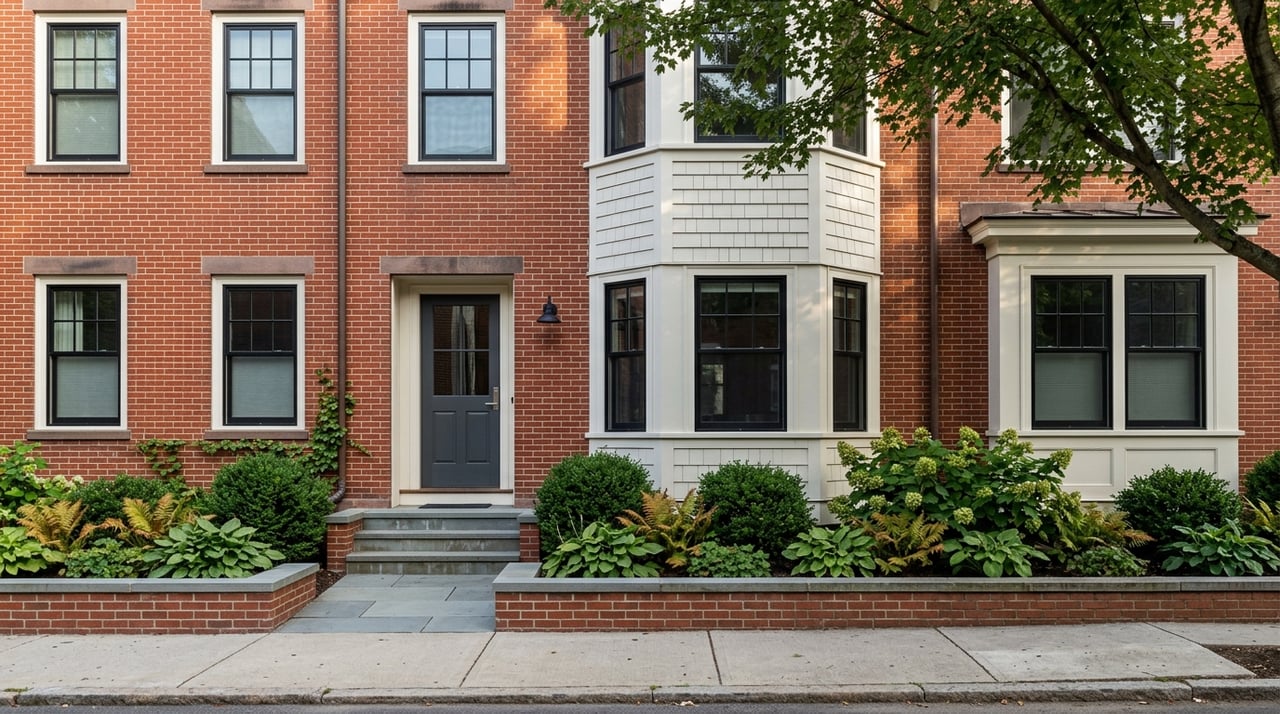
Vintage condos in Brookline often stand out for their setting and architectural character. Many are part of older multifamily buildings that help define the town’s historic fabric, and that can be a meaningful part of day-to-day ownership.
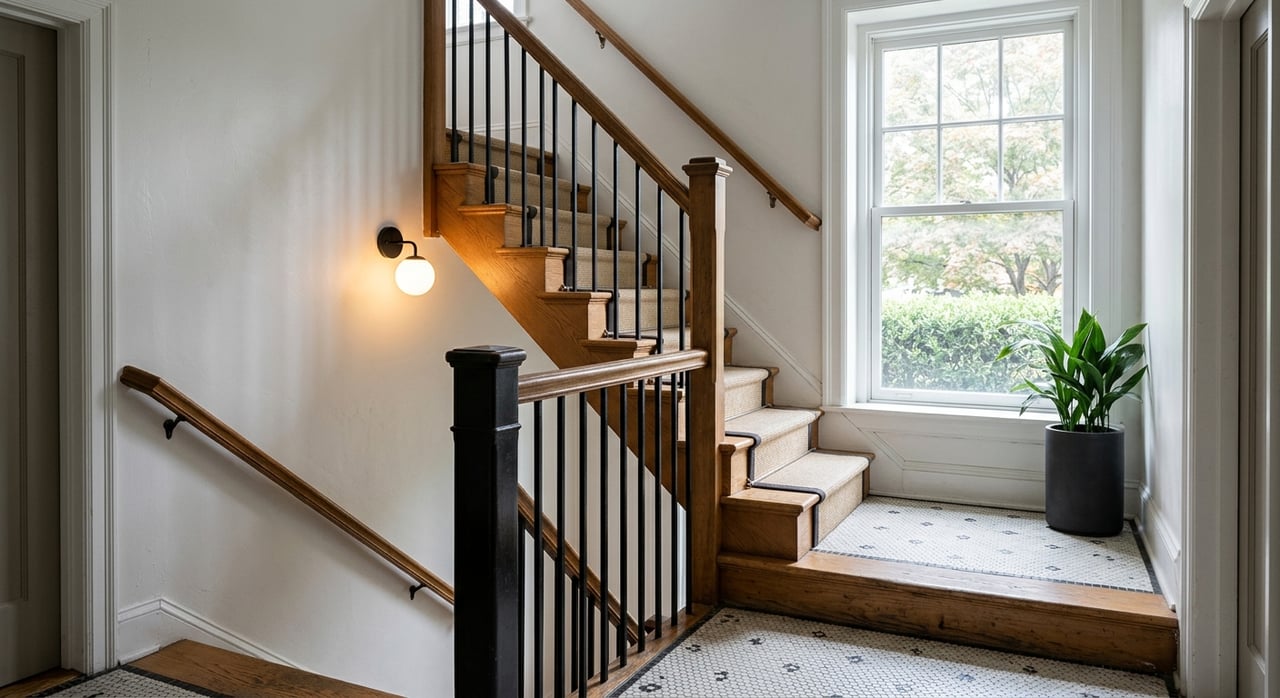
If you love original details, established streets, and central in-town locations, an older condo may feel more aligned with what you want from Brookline. In this market, the appeal is often about more than the unit itself. It is also about the building and the broader setting around it.
That said, charm is only one side of the equation. Older condos can come with a more complex capital and maintenance picture, which means your review of the association matters just as much as your tour of the unit.
Historic district considerations
Some Brookline condos are located in local historic districts. The town states that its historic-district bylaw is intended to preserve buildings, sites, and districts of historical and architectural interest, and that most exterior changes and some landscape alterations in local historic districts require Town review.
Brookline lists local historic districts including Chestnut Hill, Cottage Farm, Crowninshield, Harvard Avenue, Lawrence, Olmsted Richardson, Pill Hill, and Wild-Sargent. If a condo is in one of these areas, that may affect what changes can be made to certain exterior elements.
For you as a buyer, this does not automatically mean a problem. It simply means you should understand the review framework before you purchase, especially if future exterior updates are important to you.
Lead paint is a real due-diligence item
Because so much of Brookline’s housing stock predates 1978, lead paint comes up often with vintage condos. Massachusetts states that homes built before 1978 may contain lead and that sellers and real estate agents must notify buyers of lead risks.
The state also says the Lead Law requires removal or covering of lead hazards in homes built before 1978 when children under 6 live there. If that applies to your household now or may apply in the near future, this should be part of your early decision-making, not an afterthought.
What newer or renovated condos offer
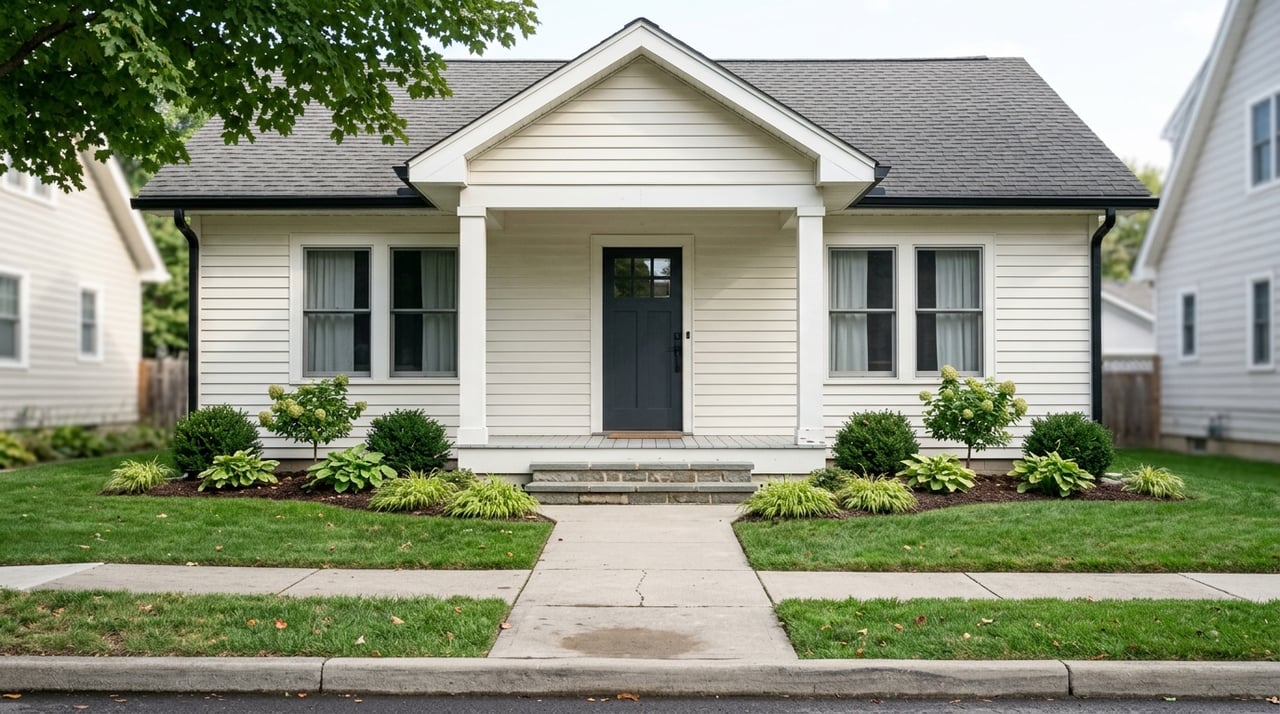
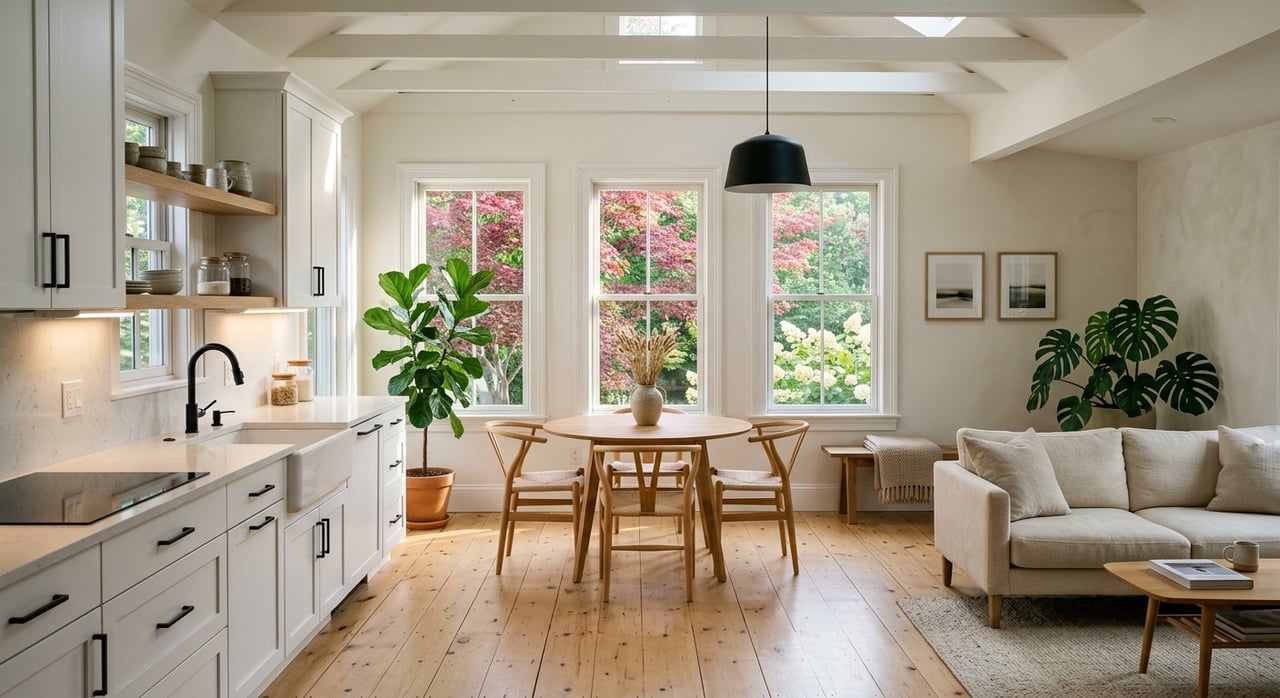
A newer or recently renovated condo may give you a more recent starting point for major systems and common-area upkeep. For many buyers, that can feel more predictable in the near term.
In Brookline, however, newer options are relatively limited. The town’s planning documents suggest that new housing has not arrived through large waves of condo construction, so newer condo opportunities tend to be more building-specific and less common overall.
That means a newer condo can carry a scarcity premium in the market. It can also mean that when one becomes available, you still need to evaluate it carefully rather than assuming newer always means easier.
Newer does not mean no condo risk
Even in a newer building, the condo association still matters. Massachusetts condominium law requires reserve funds to be kept separate from operating funds, and associations must maintain records and financial reports.
In practical terms, a newer building may reduce some near-term uncertainty, but it does not remove the need to review the budget, reserve posture, meeting minutes, and rules. A well-run older building can be easier to own than a poorly run newer one.
The financial questions matter more than finishes
When buyers compare condos, it is easy to focus on kitchens, baths, and layout. In Brookline, the more important difference is often behind the scenes.
Massachusetts law requires every condominium to maintain an adequate replacement reserve fund, separate from operating funds. The law also contemplates special assessments when expenses exceed the current budget and reserves.
That is why the monthly condo fee never tells the whole story. A lower fee may look attractive at first, but it can be less comforting if reserves are weak or major work has been deferred.
What to review in condo documents
Massachusetts says condominiums are not state-supervised and are governed by the master deed, deed, bylaws, and Chapter 183A. The state’s due-diligence guidance recommends reviewing a range of association materials before you buy.
In Brookline, this document review is especially important with older buildings, because two condos that look similar in person can have very different financial and governance realities.
Here are some of the most important items to review:
- Master deed
- Bylaws
- Rules and regulations
- Current budget
- Reserve fund information
- Any reserve study
- Special assessment history
- Meeting minutes
- Pending litigation
- Owner occupancy information
- The 6(d) certificate
If you are comparing vintage versus newer condos, this paperwork often gives you the clearest answer about which option is actually the better fit.
How to think about lifestyle fit
The best choice is not always the newest building or the prettiest original detail. It is the one that fits how you want to live and what level of uncertainty you are comfortable taking on.
Vintage condos often work well for buyers who value Brookline’s older streetscape, architectural character, and established locations. They can also suit buyers who are comfortable doing deeper due diligence and accepting the possibility of special assessments or building-rule constraints.
Newer or renovated condos often appeal to buyers who want a more recent systems baseline and somewhat more predictable near-term upkeep. Even then, the governing documents still shape everyday ownership, so building rules and association health remain central.
A simple Brookline comparison
| Factor | Vintage condo | Newer or renovated condo |
|---|---|---|
| Typical availability in Brookline | More common | More limited |
| Building age profile | Often pre-1978, frequently much older | More recent baseline |
| Character and setting | Often strong architectural and historic appeal | Often more updated feel |
| Capital planning risk | Can require deeper review | Still requires review |
| Lead paint concerns | More likely to be relevant | Less likely in newer product |
| Historic district issues | May be more likely depending on location | Still possible depending on building and area |
Questions to ask before you decide
Whether you are leaning vintage or newer, the most useful questions are often the same. The answers will tell you more than staging or listing language ever can.
Ask these questions as early as possible:
- Is the building in a local historic district?
- What do the master deed and bylaws say about governance and use?
- What does the current budget show?
- How strong is the reserve fund?
- Have there been special assessments?
- What do recent meeting minutes reveal?
- Is there any pending litigation?
- Does the building or unit’s age raise lead-law questions for your household?
These questions can help you spot the difference between a condo that simply looks appealing and one that supports a smoother ownership experience.
The Brookline takeaway
In Brookline, the vintage-versus-newer condo decision is less about old versus new in the abstract and more about tradeoffs. Vintage condos often offer character and a strong sense of place, while newer or renovated condos may offer a more recent baseline and a different maintenance profile.
Neither option is automatically better. The smartest move is to match the building type to your priorities, then verify the details through careful association and property due diligence.
If you want help comparing Brookline condos with a clear, building-by-building lens, M|E Collective offers thoughtful buyer guidance designed to help you weigh the details with confidence.
FAQs
What makes vintage Brookline condos different from newer condos?
- Vintage Brookline condos are generally more common, often located in older multifamily buildings, and may offer more architectural character, while newer condos tend to be less common and may offer a more recent systems baseline.
What condo documents should you review before buying in Brookline?
- You should review the master deed, bylaws, rules and regulations, budget, reserve fund information, any reserve study, special assessments, meeting minutes, pending litigation, owner occupancy, and the 6(d) certificate.
Do older Brookline condos have higher financial risk?
- They can carry more capital uncertainty if reserves are weak or major work has been deferred, which is why association finances and planning history are so important to review.
Can historic district rules affect a Brookline condo purchase?
- Yes, if the building is in a local historic district, most exterior changes and some landscape alterations may require Town review.
Should you worry about lead paint in a Brookline vintage condo?
- If the home was built before 1978, lead paint may be a relevant due-diligence issue, especially if a child under 6 will live in the home.
Are newer Brookline condos easier to own than older ones?
- Not always, because newer buildings still operate under the same condo-law framework and should still be evaluated for reserves, budgets, rules, and overall association management.