Buying your first condo in Jamaica Plain can feel exciting and a little intimidating at the same time. You are not just choosing a home. You are also learning a market, reviewing building documents, and making sense of a Massachusetts buying process that moves quickly and relies heavily on attorneys. The good news is that with the right preparation, you can shop with more confidence and fewer surprises. Let’s break down what to expect.
Why Jamaica Plain condos feel different
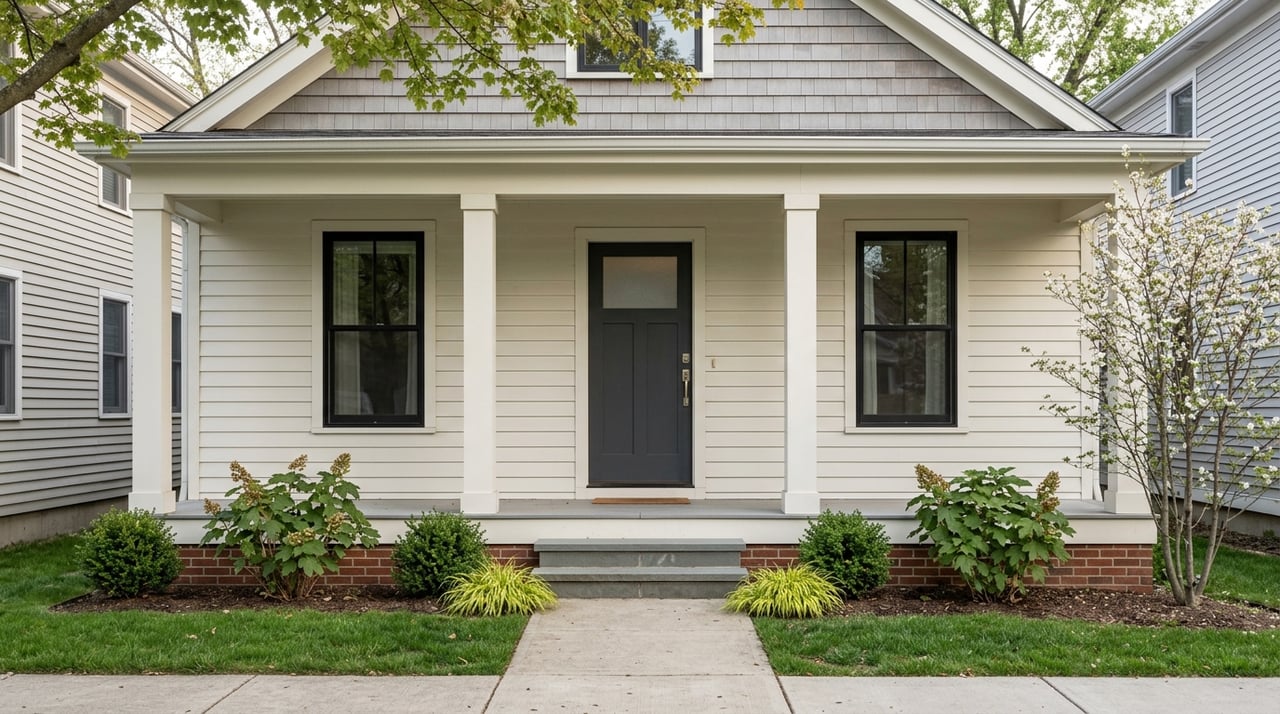
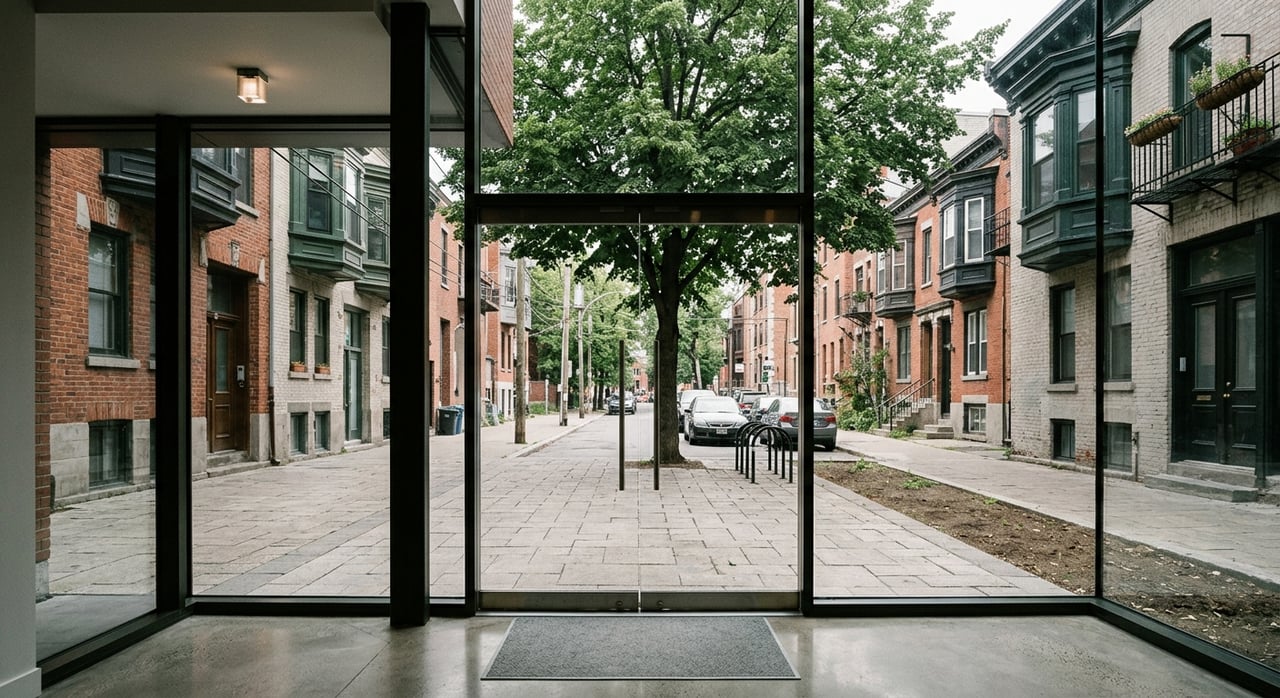
Jamaica Plain has a housing stock that reflects its long history. Boston planning materials describe it as a long-standing center for residential life, arts, and commerce, and the neighborhood is well known for its residential streets, transit access, and iconic triple-decker housing.
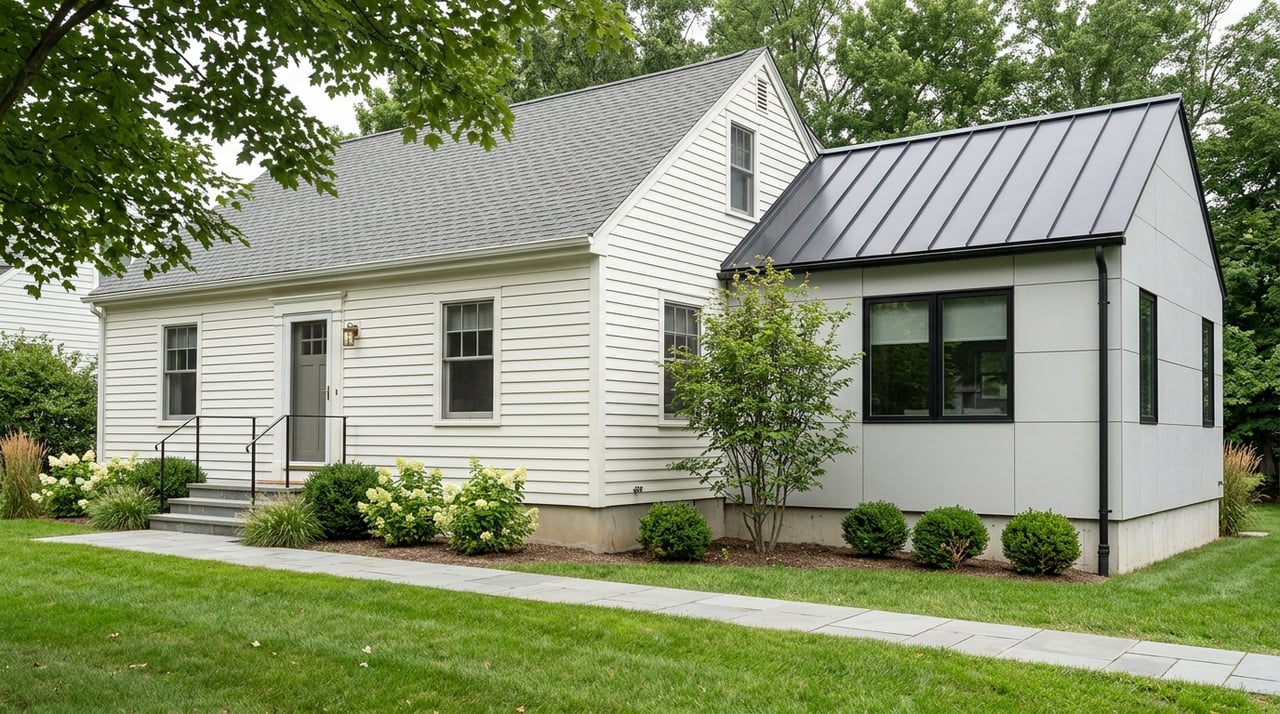
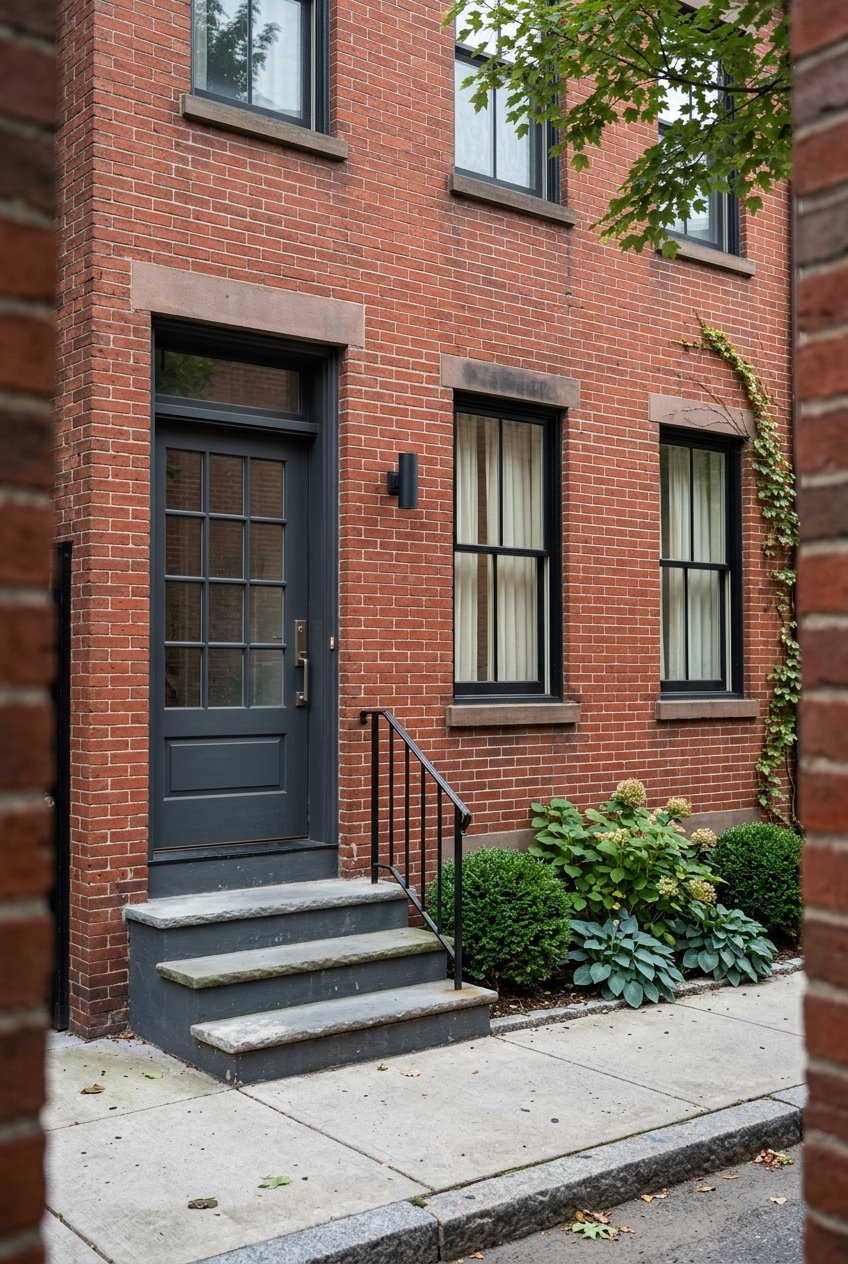
That matters when you start touring condos. In JP, many condos are located in older wood-frame buildings, converted historic homes, triple-deckers, and early apartment blocks rather than in large, uniform new developments. As a buyer, that means layout, storage, common areas, sound transfer, and the age of major building systems can vary a lot from one property to the next.
What you may notice on tours
When you walk through Jamaica Plain condos, expect variety rather than consistency. Two homes with the same bedroom count can feel very different in flow, finish level, and function.
You may notice differences in:
- Room sizes and ceiling heights
- Stair access and shared entry setups
- Basement storage or laundry arrangements
- Parking that is assigned, deeded, or not included
- Outdoor space that may be private, shared, or limited
- Older systems or recently updated mechanicals
What the Jamaica Plain condo market looks like
If you are buying your first condo here, it helps to start with realistic expectations on price and pace. Current market snapshots vary by source, but they point to the same basic story: Jamaica Plain is a high-demand condo market where desirable listings can move fast.
Recent data shows median condo list prices in the high $700,000s to low $800,000s. Redfin reports a median listing price of $775,000 for condos in Jamaica Plain, while Realtor.com reports a median list price of $822,500. An MLS PIN market review showed 2025 condo sales averaging $807,151.
Days on market also suggest a competitive environment. Redfin reports about 18 days on market, while Realtor.com reports 13 days and a 100% sale-to-list ratio. Even when sources use different timeframes, the takeaway is clear: well-positioned condos in JP often attract attention quickly.
What that means for first-time buyers
You do not need to panic, but you do need to be prepared. In a market like this, strong planning can help you move decisively when the right condo appears.
A smart starting point usually includes:
- Understanding your monthly comfort zone, not just your max approval amount
- Budgeting for condo fees along with mortgage, taxes, and insurance
- Knowing your preferred locations and must-have features
- Having your financing lined up before you begin serious touring
- Being ready to review condo documents quickly once you are under agreement
Budget beyond the down payment
One of the biggest first-time buyer surprises is how many costs sit outside the down payment. Closing costs are a real part of the purchase, and they should be part of your early math, not an afterthought.
Consumer guidance from the CFPB says closing costs typically run about 2% to 5% of the purchase price, excluding the down payment. On top of that, condo buyers should also plan for monthly condo fees and any building-related costs that may come up soon after purchase.
Costs to plan for
Your budget may include:
- Down payment
- Closing costs, often 2% to 5% of the purchase price
- Monthly condo fee
- Home inspection costs
- Moving expenses
- Immediate repairs or updates
- Potential reserve contributions or move-in related building expenses, if applicable
If you are an eligible first-time buyer, Massachusetts also offers assistance programs that may help reduce upfront cash needs. State-backed options noted in the research include ONE Mortgage with a 3% down payment option and no PMI for qualifying first-time buyers, MassHousing down payment assistance available statewide, and a program window that offered up to $25,000 in 0% interest homebuyer or down payment assistance for eligible buyers.
Why condo documents matter so much
Buying a condo means buying into both a home and an association structure. In Massachusetts, condos are governed by their master deed, deed, bylaws, and Chapter 183A. The state also makes clear that condo-law questions are legal in nature and should be handled with a real estate attorney.
For first-time buyers, this is one of the most important mindset shifts. You are not only evaluating the kitchen, layout, and location. You are also evaluating how the building is run, how expenses are managed, and what rules come with ownership.
Key documents and details to review
Massachusetts guidance highlights several items buyers should review during condo due diligence. These documents help you understand the building’s financial health, governance, and practical day-to-day rules.
Look closely at:
- Master deed
- Bylaws
- Budget
- Reserve information
- Insurance certificate
- Meeting minutes
- Special assessments
- Pending litigation
- Owner-occupancy information
- Rental guidelines
- Pet rules
- Parking details, including whether spaces are assigned or deeded
Low condo fees are not always a bargain
It is easy to assume a lower condo fee automatically means a better deal. In reality, that number only tells part of the story.
Under Massachusetts law, condominiums are required to maintain an adequate replacement reserve fund that is separate from operating funds. For you as a buyer, that means a very low fee could signal lean monthly expenses, but it could also raise questions about whether the association is saving enough for future repairs.
Why reserves and assessments matter
A building with underfunded reserves may face pressure when major work comes up. Roof repairs, exterior work, common-area improvements, or system replacements can lead to special assessments if there is not enough money set aside.
That is why reviewing reserve levels, budget trends, and recent meeting minutes is so important. A condo that looks affordable on paper can become more expensive if the association has deferred costs.
Expect an attorney-driven process in Massachusetts
Massachusetts homebuying works differently than in many states. The state’s homebuying guide notes that an offer can be legally binding, and the purchase and sale agreement is prepared and agreed to by attorneys. Buyers are encouraged to consult an attorney throughout the process to help meet deadlines.
This is especially important for condo purchases. Lenders and attorneys often need time to review condo documents, title work, insurance information, and association materials before everything is cleared for closing.
Your timeline may take several weeks
After your offer is accepted and you choose your loan, the closing process can take several weeks. That general timing comes from CFPB guidance, and condo purchases can stretch longer when there are delays in document collection or lender review.
Massachusetts closing and settlement materials specifically call out condo documents, bylaws, rules and regulations, master insurance, and reserve fund information as part of the review process. In plain terms, condos often involve more paperwork than first-time buyers expect.
Inspections should happen early
In Massachusetts, inspections are not something to think about at the very end. The state requires the residential home inspection disclosure or waiver form to be signed before the first written contract to buy a residential property.
That rule makes timing important. If you are buying your first condo in Jamaica Plain, you should be thinking about inspections at the front end of the process, not after you are already deep into the transaction.
What to pay attention to in older JP buildings
Because so many Jamaica Plain condos are in older buildings, inspections can be especially useful in understanding condition and future maintenance. Even when a unit looks updated, the broader building may have older elements that affect ownership costs over time.
Depending on the property, buyers often pay close attention to:
- Roof age and condition
- Exterior maintenance needs
- Basement moisture or drainage issues
- Window condition
- Heating and cooling systems
- Electrical updates
- Signs of deferred maintenance in shared spaces
A few practical expectations for first-time buyers
The first condo you buy in Jamaica Plain may not check every box, and that is normal. In a neighborhood with older housing stock and steady buyer demand, tradeoffs are part of the process.
You may find yourself balancing location, size, finish level, outdoor space, parking, or monthly fee structure. The goal is not to find a perfect condo. It is to find the right fit for your budget, lifestyle, and near-term plans.
A helpful way to stay grounded
As you compare options, try to separate cosmetic preferences from structural or financial concerns. Paint color and fixtures are easier to change than weak reserves, unclear parking rights, or upcoming building expenses.
It also helps to remember that JP’s appeal comes from more than any one building. Access to transit, green space, neighborhood businesses, and a strong sense of place are part of why so many buyers focus their search here.
If you are planning your first condo purchase in Jamaica Plain, having steady guidance can make the process feel far more manageable. A neighborhood-focused team can help you sort through pricing, building differences, condo documents, and timing with more clarity. When you are ready for a thoughtful next step, connect with M|E Collective for personalized guidance.
FAQs
What price range should first-time condo buyers expect in Jamaica Plain?
- Recent market snapshots place typical Jamaica Plain condo pricing in the high $700,000s to low $800,000s, though exact pricing varies by property type, condition, and timing.
What costs should condo buyers budget beyond the down payment in Massachusetts?
- In addition to your down payment, you should generally plan for closing costs of about 2% to 5% of the purchase price, plus condo fees, inspection costs, moving expenses, and possible near-term building costs.
What condo documents should buyers review before closing on a Jamaica Plain condo?
- Massachusetts guidance highlights the master deed, bylaws, budget, reserve information, insurance certificate, meeting minutes, special assessments, litigation, owner-occupancy information, and rules related to rentals, pets, and parking.
What makes condo due diligence important for older Jamaica Plain buildings?
- Many Jamaica Plain condos are in older triple-deckers, historic homes, and early apartment buildings, so building systems, maintenance history, reserves, and common-area condition can vary widely.
What should buyers know about the Massachusetts condo closing timeline?
- After an offer is accepted, closing often takes several weeks, and condo purchases can take longer if lenders and attorneys are waiting on association documents, title work, or insurance information.
What is the role of an attorney in a Massachusetts condo purchase?
- Massachusetts homebuying is attorney-driven, and the state notes that offers can be legally binding while purchase and sale agreements are prepared and negotiated by attorneys.
Why can a low condo fee be misleading for Jamaica Plain buyers?
- A lower condo fee does not always mean a healthier building, because underfunded reserves can lead to future special assessments when major repairs or replacements are needed.