If you want a home where daily errands, transit, parks, and coffee runs can fit into the same easy routine, Brookline deserves a close look. For many condo buyers, the appeal is not just the home itself. It is the ability to live with less driving and more access to the places you actually use each week. In Brookline, that lifestyle is shaped by a series of connected village centers, older condo building types, and strong transit options. Let’s dive in.
Why Brookline Works for Walkable Condo Living
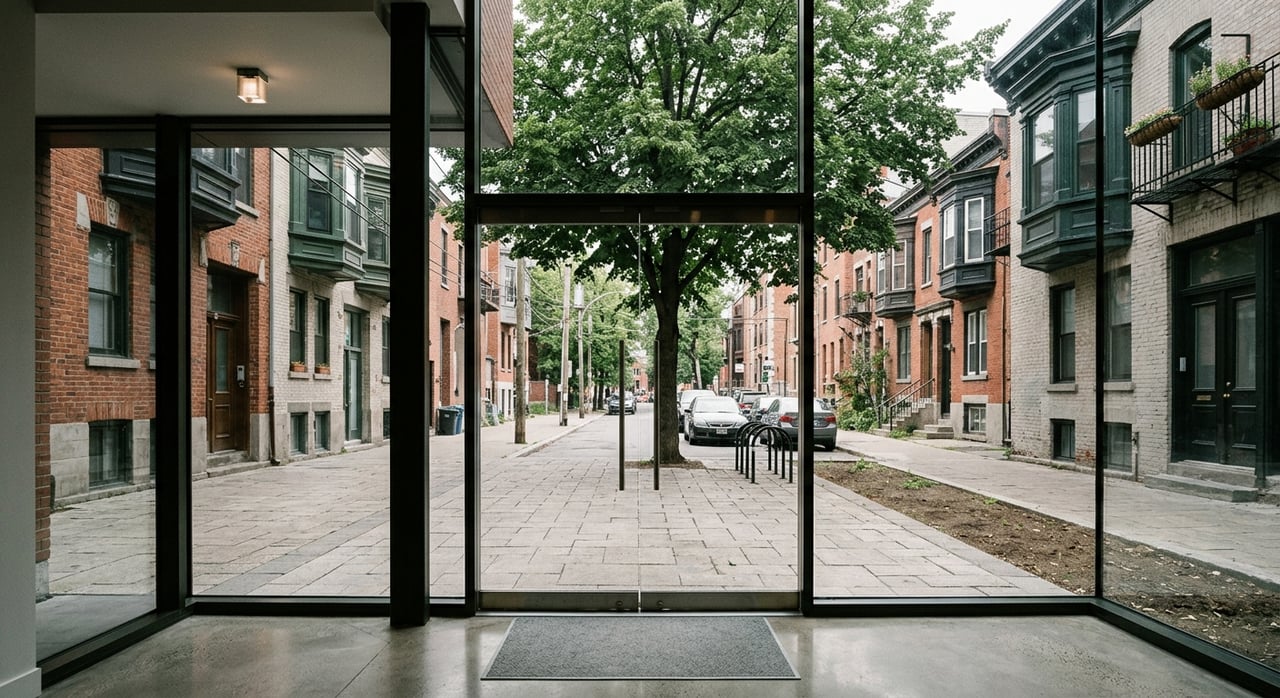
Brookline is a compact town of roughly six square miles, bordered by Boston on three sides. The town describes itself as a streetcar suburb with excellent public transportation, livable neighborhoods, green space, historic preservation, and commercial services. That small footprint helps make daily life feel connected.
A big reason walkability works here is that Brookline is not built around one single downtown. Instead, day-to-day life tends to center on a chain of commercial areas along Beacon Street and Washington Street. That creates multiple places where you can live near shops, services, transit, and neighborhood amenities.
Brookline also has a Complete Streets policy that prioritizes walking, biking, transit, wheelchairs, and cars. In practical terms, that supports a condo lifestyle where you may be able to do more of your routine on foot or by transit. If you are hoping for a more car-light setup, that matters.
Brookline’s Most Walkable Condo Areas
Coolidge Corner
Coolidge Corner is Brookline’s principal commercial district and its largest commercial area. According to the town’s 2024 Commercial Area Vibrancy Report, it has the most restaurants and retail businesses. For condo buyers, that often translates into strong everyday convenience.
This is the kind of area where your weekly routine can feel very local. You have the Coolidge Corner Theatre, Brookline Booksmith, the Coolidge Corner branch of the Public Library of Brookline, and the Brookline Farmers’ Market in season. If you want a neighborhood where errands and leisure can happen within a short walk, Coolidge Corner is often the first place buyers ask about.
The Green Line C branch also reinforces the area’s appeal. It runs from St. Mary’s through Coolidge Corner toward Cleveland Circle, which makes it easier to connect to Boston and nearby neighborhoods without relying on a car for every trip.
Brookline Village
Brookline Village offers a slightly different version of walkable condo living. The town’s 2024 Commercial Area Vibrancy Report says it has the highest concentration of service businesses. That can make it especially appealing if you want practical day-to-day convenience close to home.
Brookline Village is also a key transit point. The Green Line D branch runs through Longwood, Brookline Village, and Reservoir, and the 66 bus connects Brookline Village and Coolidge Corner to Harvard Square and Dudley. For buyers who commute or want flexible mobility, that combination stands out.
The Public Library of Brookline has a branch here as well, adding to the area’s civic feel. Brookline’s own walking-tour guidance links Town Hall, Brookline Village, Coolidge Corner, and Washington Square, which gives you a good sense of how these centers fit together in real life.
Washington Square
Washington Square has a village-center feel that many buyers find attractive. The Washington Square Association has sponsored neighborhood improvements including a Victorian clock, benches, flowering planters, and garden areas. Those details help the area feel like more than a crossroads.
For condo buyers, Washington Square can offer a strong balance of convenience and character. It is part of Brookline’s network of active commercial centers, and it is also one of the areas included in the town’s general late-night district policy. That suggests it functions as an evening destination as well as a daytime one.
Blue Bike access and nearby transit add another layer of flexibility. If your goal is to walk to dinner, hop on transit, or handle short daily trips without much planning, Washington Square is worth considering.
What Condo Buyers Will Likely See
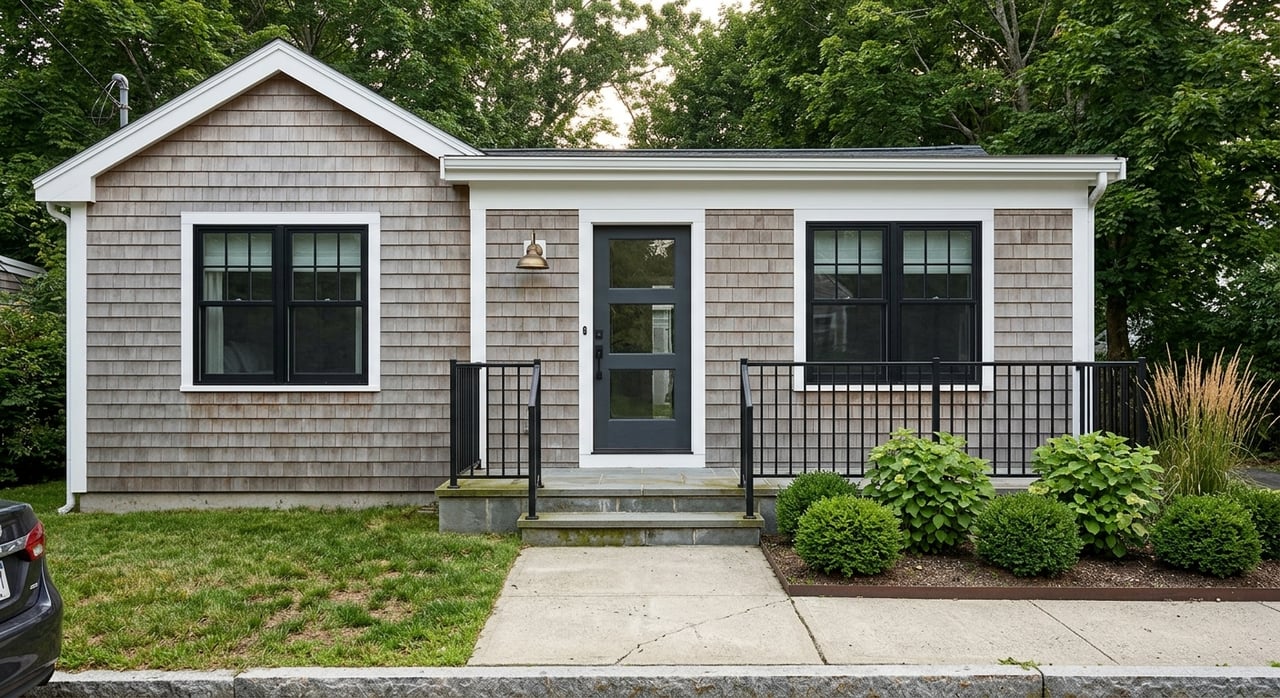
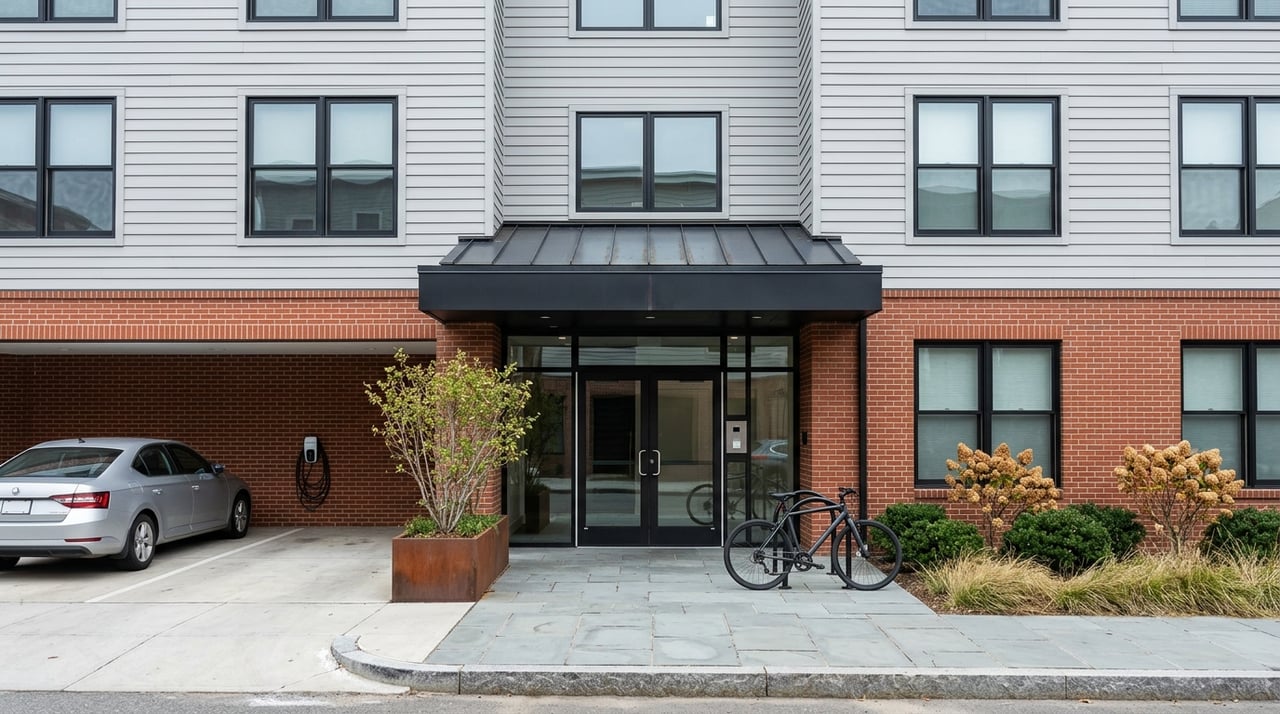
Brookline’s condo stock often looks different from what buyers expect in neighborhoods dominated by newer high-rise development. Here, many condos are tied to older building types that have evolved over time. That gives the housing inventory a distinct feel.
One common pattern is the converted multi-family building. Brookline’s zoning history references wooden triple-deckers in areas such as nearby Aspinwall Hill, and a Board of Appeals case describes a 1910 three-decker on Hurd Road that was converted into condominiums around 2000. That is a useful clue for buyers trying to picture the kinds of properties they may tour.
Another major pattern is prewar apartment and courtyard-style housing. The Harvard Avenue Local Historic District notes that many Brookline apartment buildings built before 1950 used plans with entrances facing a central courtyard of green space. The same report also points to row houses and low- to mid-rise apartment blocks, which adds to the range.
In plain terms, you are often more likely to encounter converted triple-deckers, older apartment houses, rowhouse-style buildings, and courtyard-oriented properties than one dominant tower-style condo format. That is not a market statistic, but it is a helpful way to understand Brookline’s historic housing patterns as you start your search.
What Walkable Living Looks Like Week to Week
A walkable condo lifestyle in Brookline is not just about getting from point A to point B. It is also about how your week can unfold with less friction. In the right location, your routine may include commuting by Green Line, picking up groceries or market items nearby, meeting friends locally, and spending time in parks or cultural spaces close to home.
Brookline has a dense mix of cultural and civic anchors for a town its size. The Coolidge Corner Theatre remains one of the community’s best-known destinations. The Public Library of Brookline has branches in Brookline Village, Coolidge Corner, and Putterham, and the library describes itself as a center of Brookline’s social and cultural life.
Seasonal and outdoor amenities also shape the rhythm of the town. The Brookline Farmers’ Market operates on Thursdays from June through November in the Centre Street West Parking Lot in Coolidge Corner. Larz Anderson Park, at more than 65 acres, is the town’s largest park, while the Frederick Law Olmsted National Historic Site grounds are open year-round from dawn to dusk with no entrance fee.
For many buyers, that combination is the real value. You are not just choosing a condo. You are choosing whether daily life can happen in a more connected, local, and flexible way.
Transit and Car-Light Living in Brookline
Transit is one of the biggest reasons Brookline supports walkable condo living so well. The Green Line C and D branches serve several of the town’s major commercial areas, and the 66 bus adds another important east-west and north-south connection. That gives you multiple options for commuting and everyday trips.
Blue Bike stations in Brookline Village, Coolidge Corner, JFK Crossing, and Washington Square add short-hop flexibility. If you want to reduce your dependence on a car without giving it up completely, that can be a very practical middle ground.
Brookline also offers senior transportation options, and MBTA The Ride is available as well. For downsizers or households planning ahead for long-term ease, those services are an important part of the picture.
Practical Tradeoffs to Keep in Mind
Walkable living comes with clear benefits, but it also comes with details worth understanding before you buy. In Brookline, parking is one of the biggest variables. The town maintains meters and commercial parking in Brookline Village, Coolidge Corner, Washington Square, JFK Crossing, St. Mary’s, and other areas.
That means walkable does not automatically mean easy free parking. A 2025 Coolidge Corner parking study notes that curb space management is a priority in Brookline’s largest commercial area. If parking matters to you, it is smart to weigh the location, building setup, and your own routine together.
Historic district rules are another practical factor. Brookline notes that most exterior changes, along with some landscape alterations, in local historic districts require town review. If you are buying a condo in an older or historically designated building and hope to change windows, façade elements, or visible exterior details, you will want to understand that process early.
How to Think About Your Condo Search
If Brookline is on your list, it helps to narrow your search based on how you want to live. Some buyers care most about restaurant and retail access. Others prioritize transit, green space, or a quieter residential setting that still keeps services nearby.
A simple way to compare options is to think in terms of your weekly pattern:
- Where will you commute most often?
- How often do you want to rely on a car?
- Do you want to be closest to shops and dining, or near parks and quieter streets?
- Would Blue Bikes, bus access, or Green Line service change how you use the neighborhood?
- Are you comfortable with the maintenance and rules that can come with older buildings?
The right fit is rarely just about square footage. In Brookline, the better question is often how well a specific condo connects you to the places and routines that matter most.
If you are exploring Brookline condo options and want a thoughtful, neighborhood-first perspective, M|E Collective can help you compare locations, building types, and day-to-day tradeoffs with clarity and care.
FAQs
What makes Brookline a good place for walkable condo living?
- Brookline’s compact size, multiple commercial centers, Green Line access, bus connections, Blue Bike stations, and town focus on walking and transit all support a more car-light condo lifestyle.
Which Brookline areas are most walkable for condo buyers?
- Coolidge Corner, Brookline Village, and Washington Square are among the strongest options because they combine shops, services, transit, and neighborhood amenities in concentrated village-style centers.
What types of condo buildings are common in Brookline?
- Buyers will often see condos in converted triple-deckers, older apartment houses, rowhouse-style properties, and courtyard-oriented buildings shaped by Brookline’s historic housing patterns.
Is Brookline condo living possible without a car?
- For many households, yes. Green Line service, the 66 bus, Blue Bikes, and nearby commercial centers can support a car-light routine, though your exact experience will depend on the location and building.
What should buyers know about parking in walkable Brookline areas?
- Parking can still be an important factor, especially near active commercial districts like Coolidge Corner, so it is worth reviewing how a building handles parking and how that fits your day-to-day needs.
What should buyers know about historic district rules in Brookline?
- In Brookline local historic districts, many exterior changes and some landscape alterations require town review, so buyers should understand any limits on future exterior updates before purchasing.