Choosing between the North Shore and in-town Boston is not just about where you live. It is about how you want your days to feel. If you are weighing a coastal, lower-density routine against the energy and convenience of city living, this comparison can help you think more clearly about commute patterns, housing trade-offs, and everyday lifestyle fit. Let’s dive in.
North Shore vs. Boston at a glance
The biggest difference is density and daily rhythm. Boston had a population density of 13,976.7 people per square mile in the 2019 to 2023 Census QuickFacts, while Essex County, a useful proxy for the broader North Shore, came in at 1,644.3 people per square mile.
That difference shapes almost everything. In-town Boston often supports a more transit- and walk-oriented routine, while the North Shore tends to feel more residential and owner-occupied. Boston’s owner-occupied housing rate was 35.4%, compared with 64.0% in Essex County.
Commute patterns and convenience
If you picture a Boston lifestyle, convenience is often part of the appeal. The MBTA network serves nearly 200 cities and towns and more than one million daily riders, which helps explain why many in-town routines can center on walking, transit, and shorter neighborhood trips.
That does not mean Boston automatically gives you the easier commute. Census data shows Boston’s mean commute was 30.2 minutes, compared with 28.9 minutes in Essex County. The more useful takeaway is that commute experience depends less on a simple city-versus-suburb label and more on where you work, how close you are to rail, and what kind of daily schedule you keep.
North Shore rail access varies by town
For North Shore residents heading into Boston, the MBTA Newburyport/Rockport Line is the main commuter rail spine. It connects North Station with communities including Lynn, Swampscott, Salem, Beverly, Newburyport, Gloucester, and Rockport.
Even within the North Shore, commute times can vary. Ipswich posted a mean commute of 28.3 minutes, while Marblehead posted 32.4 minutes in Census QuickFacts. That gap is a good reminder that line access and job location matter just as much as geography.
In-town Boston often supports car-light living
In-town Boston can make it easier to build your routine around proximity. Depending on your neighborhood, you may be able to combine transit, walking, and shorter errands more easily than in many coastal communities.
For buyers comparing North Allston or other Boston neighborhoods to North Shore towns, this is often the real lifestyle question. Do you want more of your week structured around immediate access and urban convenience, or are you comfortable trading some of that for a different home setting and access to the coast?
Outdoor lifestyle and daily routine
A lot of people assume city living means less access to the outdoors. In Boston, that is not really the full story. The Boston Parks and Recreation Department manages 2,346 acres of open space, including 1,000 acres in the Emerald Necklace, while the Charles River Esplanade offers a 17-mile linear park and the Urban Wilds program protects 30 city wild spaces.
That creates a version of outdoor living that is woven into everyday city life. Your routine may include neighborhood walks, river paths, local parks, and green space that is integrated into dense residential areas.
The North Shore offers a coastal recreation profile
The North Shore brings a different kind of access. Massachusetts’ Coastal Trails guide describes the region as ranging from rocky bluffs to sandy beaches, with places like Halibut Point State Park offering trails, tide pools, picnic areas, and ocean views.
That difference matters if you want the coast to be part of your normal week rather than a special trip. Public waterfront space such as Lynn Shore & Nahant Beach Reservation helps illustrate how shoreline access becomes part of the lifestyle in many North Shore communities.
Boston recreation feels different, not lesser
This comparison is less about better or worse and more about type. Boston recreation tends to be park-, river-, and neighborhood-walk oriented, while the North Shore can more naturally include beaches, scenic drives, coastal reservations, and tide pool outings.
If you love the idea of stepping into a lively neighborhood and having green space nearby, in-town Boston may feel like the right fit. If your ideal downtime includes ocean views and coastal trails, the North Shore may align more closely with how you want to spend your weekends and evenings.
Housing style and budget trade-offs
Housing is where these lifestyle differences become very tangible. Boston’s housing identity is still strongly tied to the triple-decker, a familiar multi-unit form that the city’s Housing Innovation Lab describes as a once deeply affordable, replicable housing type built on small sites.
That helps explain why many Boston buyers, especially condo buyers, are comparing attached or multi-unit living options within dense neighborhoods. In the 2019 to 2023 Census QuickFacts, Boston’s median owner-occupied home value was $710,400, median gross rent was $2,093, and average household size was 2.22 persons.
The North Shore is more varied than many people expect
The North Shore should not be treated as one single market. Essex County’s median owner-occupied value was $584,000 and median gross rent was $1,673, both below Boston’s citywide figures, but that does not mean every North Shore town is less expensive.
Town-level differences are meaningful. Salem’s median owner-occupied value was $497,400, while Marblehead’s was $906,200. Some North Shore communities sit well below Boston’s citywide median, while others are higher.
Owner-occupied patterns look different
The ownership mix also tells part of the story. Essex County had a 64.0% owner-occupied rate, compared with 35.4% in Boston, and a 90.3% same-house-one-year-ago rate, compared with 80.3% in Boston.
That suggests a more settled housing pattern on the North Shore, even though the reasons will vary by household and community. For many buyers, that can translate into a different feel from denser, more renter-heavy parts of Boston.
Housing character can shape your decision
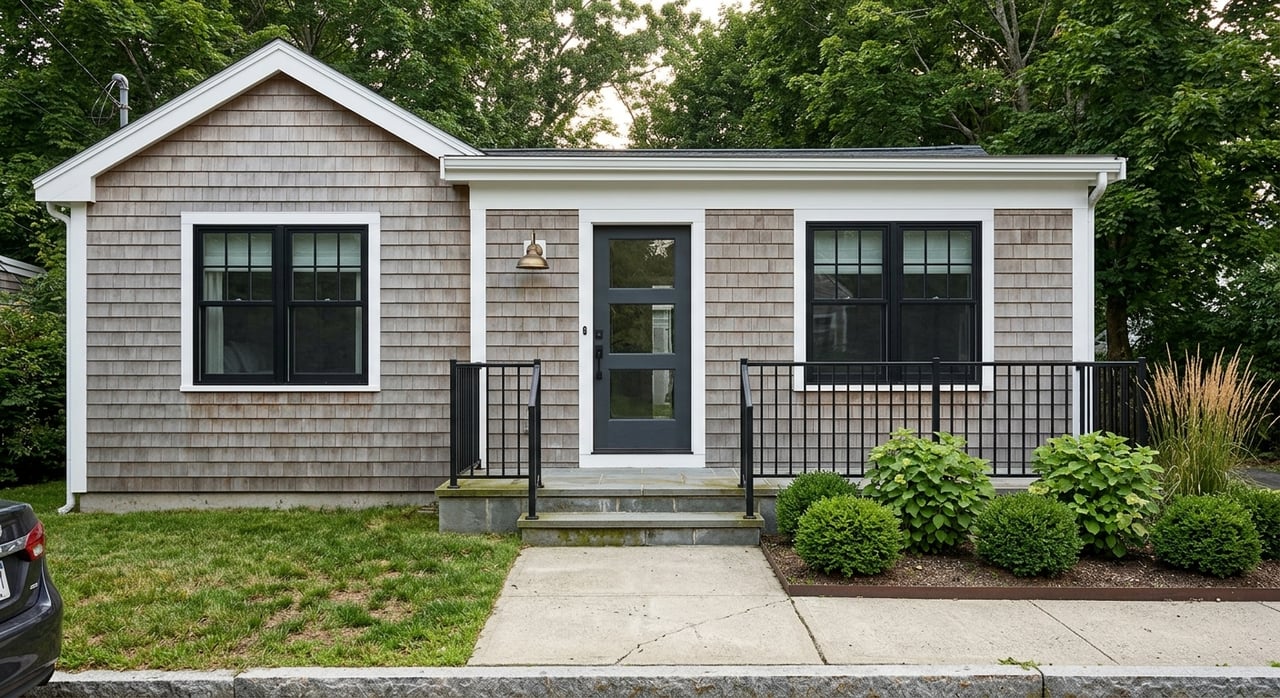
Beyond price, the look and feel of the housing stock may matter just as much. The North Shore includes period architecture across coastal communities and reflects a mix of shoreline towns and inland areas shaped by colonial history and industry.
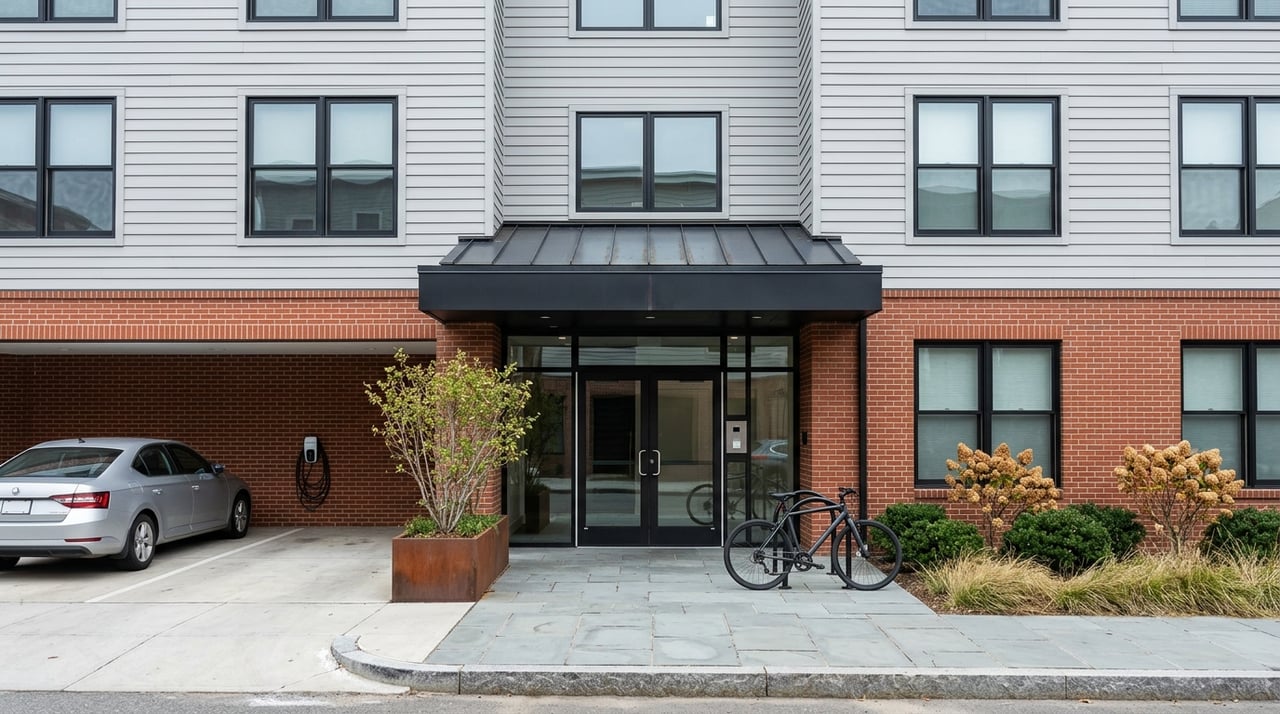
Boston, by contrast, often centers your search around condos, multi-family buildings, and neighborhood blocks with a more urban housing form. If you are deciding between the two, it helps to think in practical terms: Do you want a home that supports an urban routine, or one that leans into lower density and a more coastal setting?
Which lifestyle may fit you best?
If you value close-in convenience, Boston often makes a strong case. A denser environment, broad transit access, major park resources, and a more walk-oriented daily rhythm can suit buyers who want city energy and easier access to work, dining, and neighborhood amenities.
If you want more space around you and easier access to shoreline recreation, the North Shore may feel more natural. Lower density, higher owner-occupancy, and coastal access can appeal to buyers who want a more residential setting without disconnecting entirely from Boston.
A practical way to compare your options
When clients weigh in-town Boston against the North Shore, the best decision usually comes from matching the home search to the life you actually want to live. That means looking beyond a broad label and asking sharper questions.
Consider these factors as you compare:
- How often you need to commute into Boston
- Whether rail access is essential to your routine
- If you want a walkable, transit-oriented week
- How much outdoor access matters day to day
- Whether you picture parks and neighborhood walks or beaches and coastline
- The type of housing you want, including condo versus single-family possibilities
- Your real budget range, since North Shore pricing varies widely by town
A thoughtful home search should connect location, housing style, and routine in a way that feels sustainable. That is especially true in Greater Boston, where two places can be geographically close but offer very different day-to-day experiences.
If you are comparing Boston neighborhoods with North Shore communities, a tailored strategy can make the choice much clearer. M|E Collective helps buyers and sellers navigate Boston-area decisions with neighborhood insight, thoughtful guidance, and a polished, personal approach.
FAQs
How does North Shore living compare to in-town Boston for commuting?
- Boston’s mean commute was 30.2 minutes in Census QuickFacts, compared with 28.9 minutes in Essex County, but actual commute experience depends heavily on rail access, job location, and schedule.
What is the main lifestyle difference between North Shore and Boston living?
- Boston generally offers a denser, more transit- and walk-oriented lifestyle, while the North Shore generally offers a more residential setting with easier access to shoreline recreation.
Is North Shore housing always more affordable than Boston housing?
- No. Essex County’s median owner-occupied value was lower than Boston’s overall, but town-level variation is significant, with places like Salem below Boston’s citywide median and places like Marblehead above it.
What kind of outdoor spaces does in-town Boston offer?
- Boston has extensive open space, including 2,346 acres managed by Parks and Recreation, 1,000 acres in the Emerald Necklace, the 17-mile Charles River Esplanade, and 30 Urban Wilds sites.
What makes North Shore recreation different from Boston recreation?
- North Shore recreation is more closely tied to the coast, with features like beaches, rocky bluffs, tide pools, scenic waterfronts, and coastal reservations, while Boston recreation is more park-, river-, and neighborhood-walk oriented.
Why is it important to compare individual North Shore towns instead of treating the area as one market?
- Commutes, pricing, and housing styles vary meaningfully across North Shore communities, so comparing specific towns gives you a more accurate picture than relying on a single regional assumption.