If you work in Boston but want more condo options outside the city core, the South Shore can look appealing fast. The catch is that your best choice often depends less on the building itself and more on how you plan to commute every day. If you are comparing South Shore condos with East Boston or other Boston neighborhoods, this guide will help you weigh transit, pricing, layouts, parking, and condo rules with more confidence. Let’s dive in.
Start With the Commute
For most Boston commuters, the biggest South Shore condo question is simple: commuter rail, ferry, or a Red Line connection? That decision shapes where your search makes the most sense and how convenient your routine will feel once you move in.
The MBTA Greenbush Line serves South Station and stops including Quincy Center, Weymouth Landing/East Braintree, East Weymouth, West Hingham, Nantasket Junction, Cohasset, North Scituate, and Greenbush. If you want more than one transit fallback, Quincy Center stands out because it also connects to the Red Line and feeder bus routes.
Hingham offers a different setup. According to local transit information summarized through Greenbush service data, commuters there may use the Greenbush Line, connect to the Red Line from Braintree or Quincy, or use commuter boat service from Hingham to Rowes Wharf.
Ferry access can be a real advantage if water transit fits your schedule. The MBTA commuter ferry network serves Hingham, Rowes Wharf, Long Wharf, Hull, and Logan Airport, which gives some buyers a useful alternative to rail depending on where they work and how often they commute.
Compare South Shore and East Boston Prices
If you are starting from an East Boston frame of reference, current condo pricing gives you a helpful baseline. Redfin data for Boston condos shows 935 condos for sale at a median listing price of $850,000.
East Boston comes in below that broader Boston figure. The same Boston-area condo data source reports East Boston with 89 condos for sale at a median listing price of $672,000 and a median sale price of $700,000.
On the South Shore, the numbers vary more than many buyers expect. Quincy condo listings show a median listing price of $625,000, while Braintree condos are at $462,000. That puts both markets below East Boston in this snapshot.
Not every South Shore town is a value play, though. Hull condo listings sit at a median of $1.05 million, and Hingham home trends show a median list price of $1.55 million, which points to a more premium market position.
Why Pricing Alone Is Not Enough
A lower list price does not always mean a lower monthly cost. For commuter buyers, your real budget usually includes several moving parts beyond the purchase price.
Think about your likely monthly carry this way:
- Mortgage payment
- HOA fees
- Parking value, especially if spaces are deeded or garage-based
- Transit pass cost
- Any extra commuting costs tied to driving to rail or ferry access
The MBTA fare page lists monthly commuter rail passes at $90 for Zone 1A and $214 for Zone 1. A monthly Commuter Boat pass is $329. If you are comparing East Boston with Quincy, Braintree, Weymouth, or Hingham, those recurring transit costs can change the math quickly.
Best-Fit Towns for Boston Commuters
No single South Shore town works for every buyer. The right fit usually depends on how much convenience, flexibility, space, and price sensitivity matter in your daily life.
Quincy for Transit Flexibility
Quincy is often one of the most practical options if you want multiple commute choices. With commuter rail access and a Red Line connection at Quincy Center, it can offer a lower-friction trip into Boston than towns with just one main transit mode.
For buyers comparing suburban access with East Boston pricing, Quincy can also be compelling on cost. Current condo listings place it below East Boston’s median listing price, which may open up more options depending on building age, parking, and amenities.
Braintree for Lower Entry Pricing
Braintree stands out for buyers focused on affordability within a commuter-oriented search. At a current median condo listing price of $462,000, it is one of the lower-priced options mentioned in this data set.
That lower price point can create room in your budget for HOA fees, parking, or transit costs. If your goal is to stay connected to Boston while keeping monthly ownership costs more manageable, Braintree deserves a close look.
Weymouth for Space and Newer Amenities
Weymouth can appeal to buyers who want a bit more breathing room or newer building features. Listings there show amenity-rich options, including elevator buildings, garage parking, gyms, roof decks, and courtyards.
That may matter if you want a commuter condo that also feels comfortable for hybrid work or longer-term ownership. In other words, the unit has to work for your weekdays and for the time you spend at home.
Hingham for a Premium Commuter Strategy
Hingham tends to fit a different type of buyer. This is generally not the budget-driven part of a South Shore condo search.
Instead, Hingham lines up better for buyers looking at a premium combination of commuter rail, ferry access, parking, and higher-end building features. Current Shipyard-area listings emphasize amenities such as elevators, secured or covered garage parking, open layouts, and outdoor space tied to the harbor setting.
Hull for Lifestyle-Driven Pricing
Hull shows how coastal condo pricing can move above what some buyers expect from the South Shore. With a current median condo listing price of $1.05 million, it may appeal more to buyers prioritizing a specific waterfront or coastal lifestyle rather than a simple price discount compared with Boston.
If commuting into Boston is still part of the plan, be sure to measure convenience just as carefully as the setting. A beautiful location can feel very different once weekday logistics enter the picture.
What South Shore Condo Listings Often Include
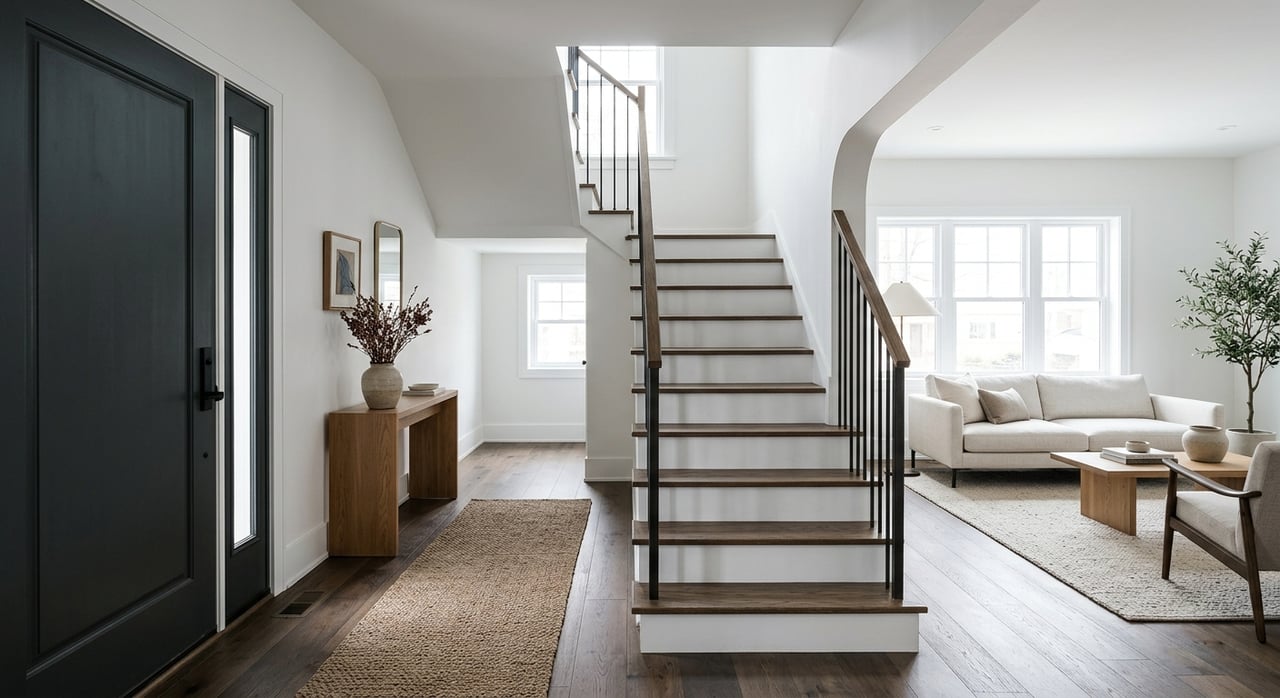
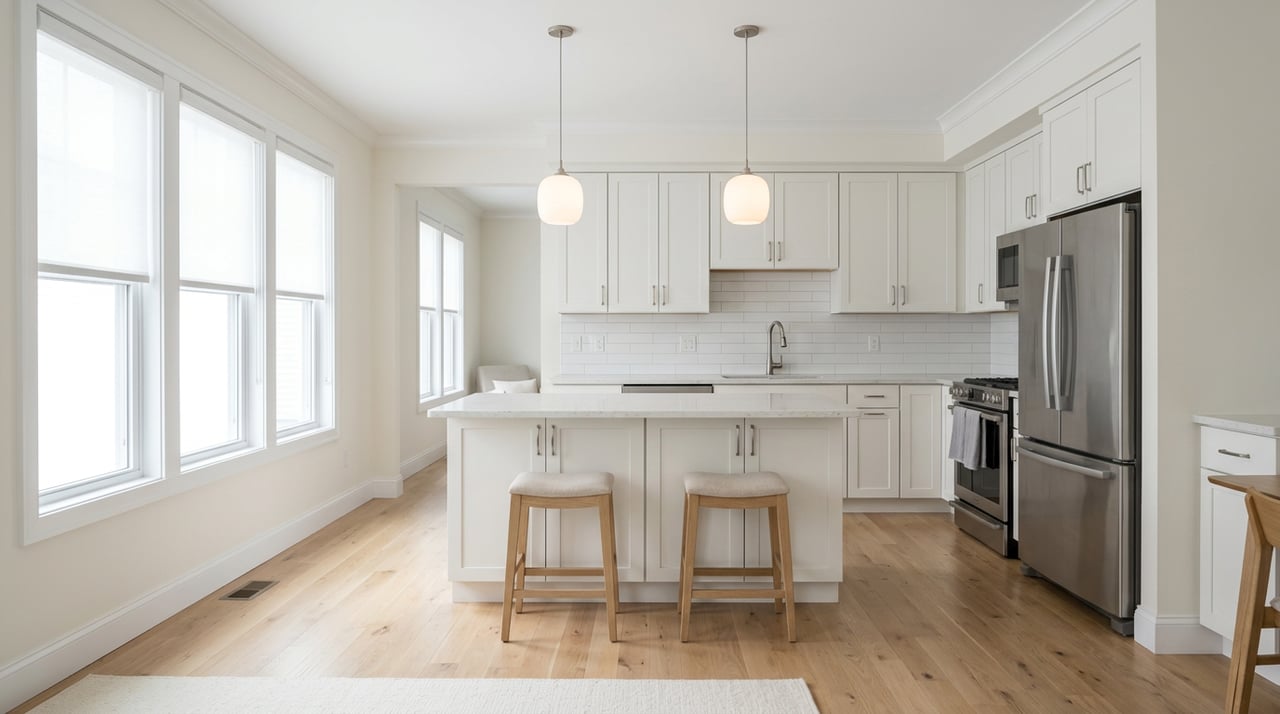
Many commuter-friendly condos on the South Shore share a similar layout profile. You will often see two-bed, two-bath units or one-bedroom-plus-flex layouts with open-concept living, a balcony or deck, in-unit laundry, and one or two assigned or deeded parking spaces.
For example, one Quincy condo listing highlights an open floor plan, a large balcony, laundry on the same floor, and two deeded parking spaces. A Braintree example in the research also reflects the common appeal of open layouts, parking, and added storage.
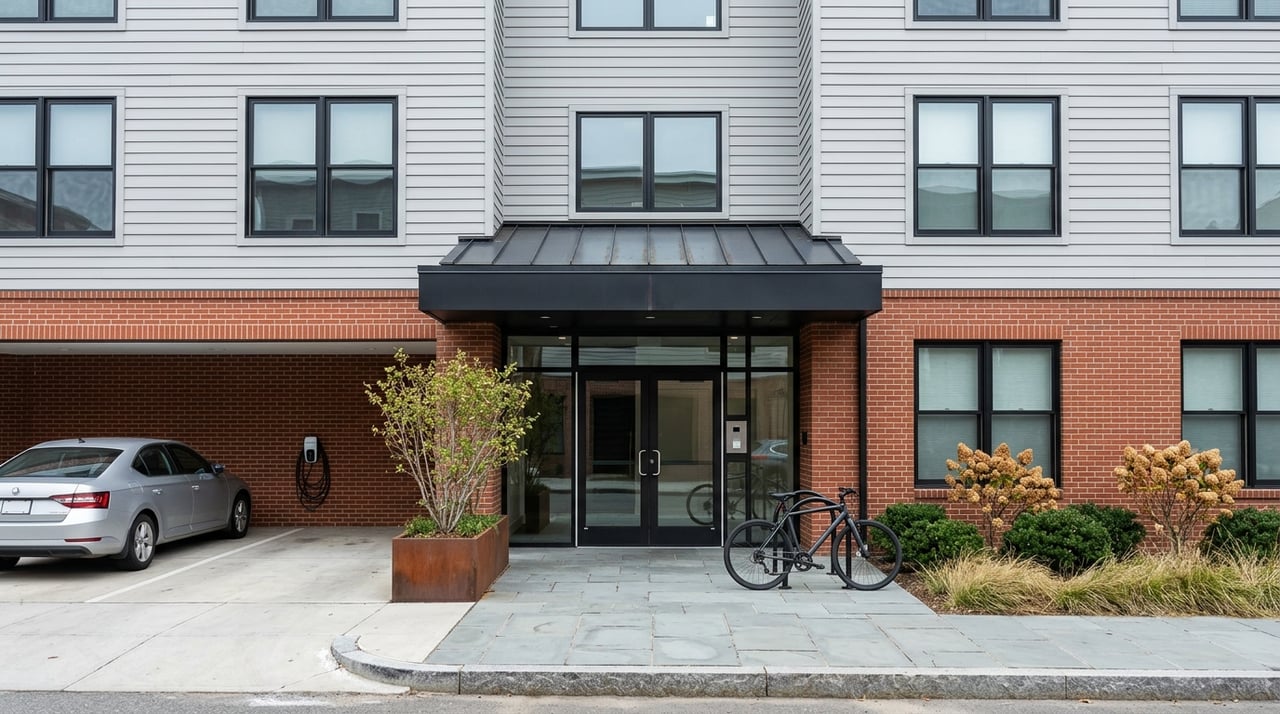
Newer or amenity-heavy buildings can go further. A Weymouth new-construction condo example describes an elevator building with garage parking, a gym, a roof deck, and a courtyard.
In more established areas, older conversion-style units still show up. An East Weymouth condo example highlights one-level living, a private balcony, separate utility space, two parking spaces, and a pet-friendly association.
Parking Should Be Part of Your Search
Parking is not just a nice extra for many South Shore buyers. It is often part of the commute itself, especially if your routine involves driving to a station or ferry terminal before heading into Boston.
That is why it helps to evaluate parking early, not after you fall in love with a unit. Current listings often promote one or two deeded spaces, garage parking, heated covered parking, and storage tied to the parking setup.
When you review a condo, ask practical questions such as:
- Is parking deeded, assigned, or first come, first served?
- Are there enough spaces for your household’s real needs?
- Is the parking covered or garage-based?
- Does elevator access connect easily to the parking area?
- Are there storage rules linked to garage or common spaces?
For Boston commuters, these details can affect both convenience and resale appeal.
Review Condo Rules Before You Offer
The building’s rules can matter just as much as the unit finishes. In Massachusetts, condo buyers should review documents including the master deed, by-laws, amendments, minute book, financial records, contracts, and insurance policies.
According to Mass.gov guidance on condominiums, condo documents define key rights and obligations and may include restrictions on use. For commuter buyers, this makes parking rules, storage restrictions, rental policies, and renovation limits especially important.
Pet policies also vary from one building to another. Some associations are pet-friendly, while others set clear limits or restrictions.
Massachusetts also protects assistance animals. Mass.gov guidance on assistance animals in real estate explains that condo-association pet restrictions do not apply to assistance animals, and residents with disabilities may request a reasonable accommodation.
A Smart Way to Narrow Your Search
If you are comparing East Boston with South Shore condos, start with your daily routine before you start ranking finishes or amenities. A stylish building loses some of its appeal if the commute is harder, the parking does not work, or the monthly costs stretch your comfort level.
A practical search order often looks like this:
- Choose your preferred transit mode
- Confirm how much backup flexibility you want
- Factor in parking as part of the commute plan
- Compare total monthly cost, not just list price
- Review condo documents before moving forward
That approach usually helps buyers make cleaner decisions and avoid expensive surprises.
If you are weighing Boston versus South Shore condo options and want a more tailored plan for your commute, budget, and must-have features, M|E Collective can help you sort through the trade-offs with clear, local guidance.
FAQs
What should Boston commuters compare first when choosing a South Shore condo?
- Start with transit access, including whether the condo works best for commuter rail, ferry service, or a Red Line connection.
How do South Shore condo prices compare with East Boston condo prices?
- Current data in this report show East Boston condos at a median listing price of $672,000, compared with $625,000 in Quincy and $462,000 in Braintree, while some coastal or premium towns can be much higher.
Which South Shore town offers the most transit flexibility for Boston commuters?
- Quincy stands out in this research because Quincy Center connects to commuter rail, the Red Line, and feeder bus routes.
What condo features are common in South Shore commuter buildings?
- Many listings include open layouts, in-unit laundry, balconies or decks, and one or two assigned or deeded parking spaces, with newer buildings sometimes adding elevators, gyms, roof decks, and garage parking.
Why does parking matter so much for South Shore condo buyers?
- Parking often supports the commute itself, especially when buyers drive to a rail station or ferry terminal, so the type and reliability of parking can affect both convenience and monthly value.
What condo documents should Massachusetts buyers review before buying?
- Buyers should review the master deed, by-laws, amendments, minute book, financial records, contracts, insurance policies, and other recorded condo documents that define rights, obligations, and restrictions.
Do South Shore condo associations all allow pets?
- No. Pet policies vary by building, so you should verify the association’s specific rules before making an offer.