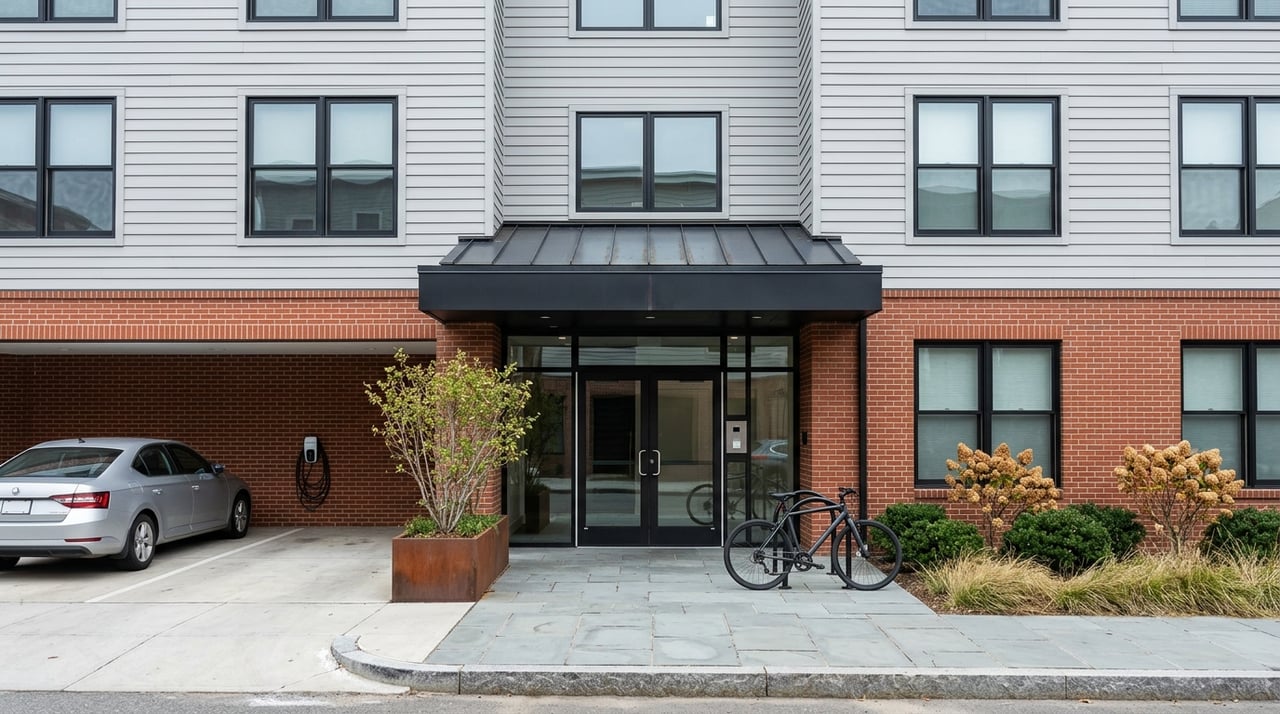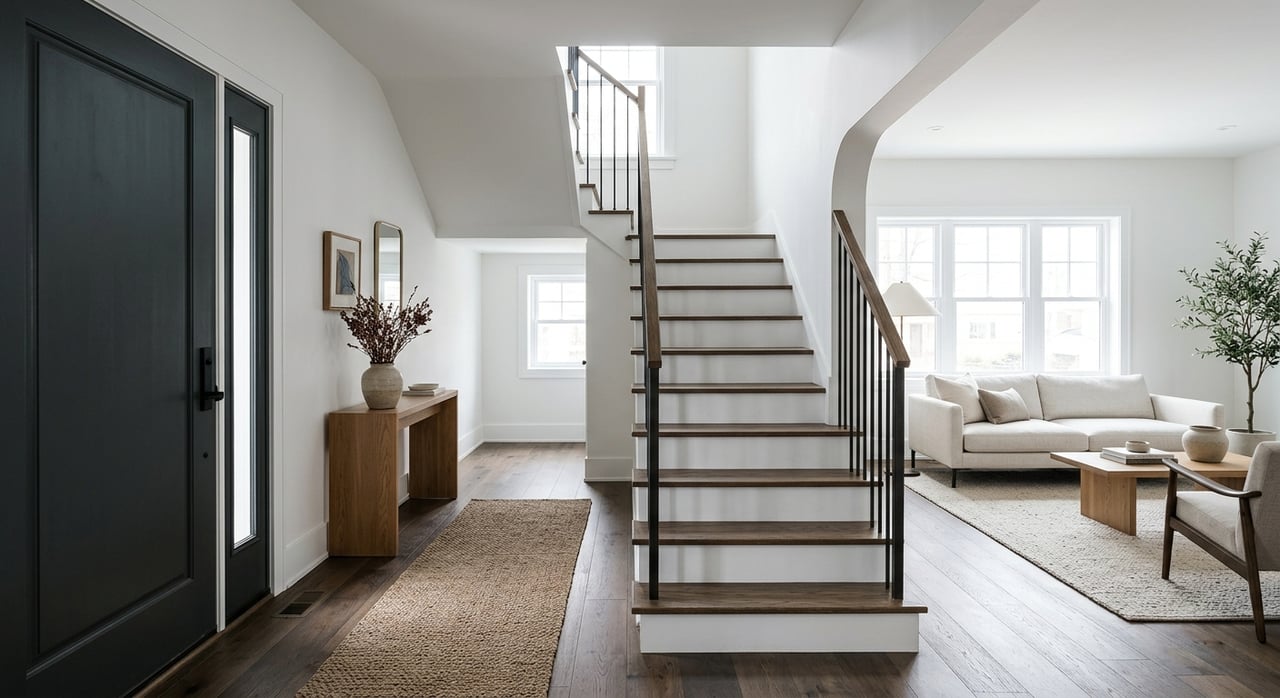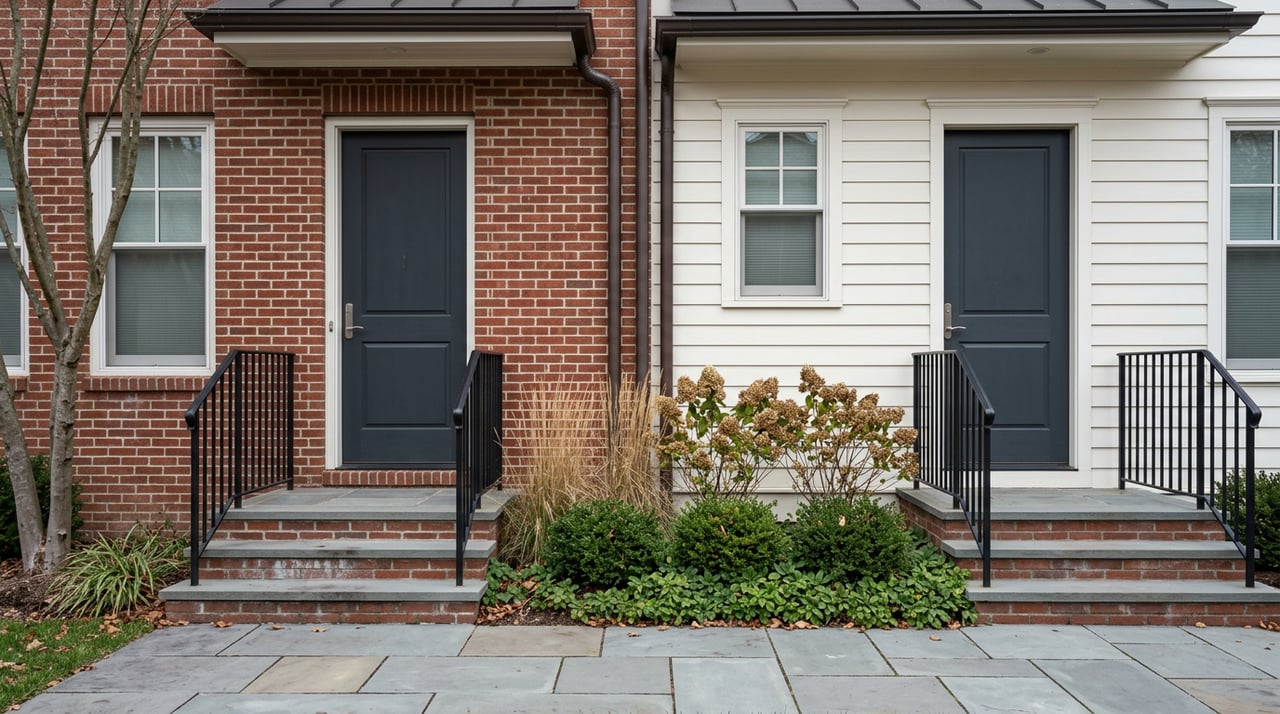
Choosing between a condo and a townhome in Newton can reshape your budget, daily routine, and long-term costs. With prices that sit well above many Greater Boston suburbs and real variety from village to village, the right choice comes down to how you want to live and what you want to maintain. In this guide, you will learn the real differences in ownership, financing, monthly fees, space, and parking, plus a simple checklist to compare specific homes side by side. Let’s dive in.
Quick Newton snapshot
Newton is a high-value suburban market in the Boston area, with a citywide median sale price around $1.49M in early 2026. For context, Greater Boston’s 2025 median condo price was in the low to mid $600k range, according to The Warren Group’s market reporting. That regional baseline helps explain why many Newton condos and townhomes price higher than the regional median.
Villages close to the MBTA Green Line or commuter rail, like Newton Centre, Newton Highlands, Newtonville, Chestnut Hill, and Auburndale, often command a premium for transit and walkability. Other villages may trade more space for the price. Your best fit depends on how you commute and what you want nearby.
What you actually own
Condos under Massachusetts law
In Massachusetts, a condominium is a specific legal form governed by the Massachusetts Condominium Act, Chapter 183A. You typically own your unit plus a share of the common elements. The master deed and bylaws spell out what counts as a unit owner’s responsibility, what is a common element, and what might be a limited common element, such as a balcony or parking space assigned to your unit.
What this means for you: building exterior, roofs, grounds, and amenities are usually maintained by the association, and you pay for that through monthly dues. Rules and budgets set by the association guide how the property is managed and how reserves are funded for future repairs.
Townhomes in Newton: fee simple or condo
“Townhome” describes the look and layout more than the legal form. In Newton, a townhome can be owned fee-simple, which means you own the structure and the land, or it can be part of a condominium governed by a master deed. The recorded deed decides the rules, not the appearance. If a townhome is fee-simple, you typically handle the exterior and yard unless an HOA says otherwise. If it is in a condo association, condo rules apply. For financing and due diligence, the legal form matters, as explained in resources on townhome ownership and approvals from LegalClarity.
Financing and insurance
Condo project approvals impact loans
Condo financing often involves a project-level review. Lenders and programs like FHA, VA, Fannie Mae, and Freddie Mac may require documentation on the association’s financials, reserves, and owner-occupancy ratios. If a project lacks approval or has weak reserves, some loan options may be limited. You and your lender will likely review documentation similar to the FHA condo project approval required documents.
Townhome financing
Fee-simple townhomes are usually underwritten like single-family homes, which can make financing more straightforward. If the townhome is part of a condo association, then the condo project rules apply. Always confirm how the property is recorded before you fall in love with the floor plan.
Insurance differences
- Condos usually have a master building policy carried by the association. You buy an HO-6 policy for your interior finishes and personal property. The master policy may be “bare walls” or “all-in,” which affects how much interior coverage you need.
- Fee-simple townhomes generally require a homeowners policy (HO-3 or HO-5) that covers the structure and lot.
For a helpful overview of how insurance typically aligns with these forms of ownership in Massachusetts, see this state guidance on insurance in residential real estate transactions.
Monthly costs and taxes
What fees usually cover
Monthly condo or HOA dues pay for shared items such as exterior maintenance, common-area utilities, landscaping, snow removal, master insurance, management, and reserves for big-ticket repairs. A higher monthly fee that includes heat, hot water, or parking can sometimes be cheaper overall than a lower fee that leaves those bills to you. For a practical breakdown of common inclusions, see this local explainer on what condo fees often cover.
Fee levels and predictability
Newton has a wide fee range that depends on unit size, building age, amenities, and which utilities are covered by the association. Low-amenity buildings can sit at a few hundred dollars per month, while full-service or amenity-rich properties can be much higher.
- If you value predictability, condos centralize many costs into one monthly line item.
- If you prefer control and are comfortable with occasional larger expenses, a fee-simple townhome shifts exterior work to you. Your total annual cost may vary more, but you decide the timing and the contractor.
Taxes and special assessments
Property taxes are billed separately by the City of Newton on a quarterly basis. Confirm estimated taxes for a given unit with the seller’s disclosures or the assessor’s records. Associations may levy special assessments for major repairs if reserves are insufficient. Best practice is to review the association’s budgets and any reserve study. National guidance on reserves from the Community Associations Institute is a useful reference on reserve requirements and funding.
Space, parking, and outdoor living
Layouts and daily living
- Condos in Newton range from compact units near village centers to larger multi-bedroom homes. Many are one or two levels. Elevators in larger buildings can make groceries, strollers, or luggage easier.
- Townhomes are typically multi-level with a private entry, often with an attached garage, storage, and a small private yard or patio. This setup can offer more bedrooms and separation between living and sleeping areas.
Your day-to-day should drive your choice. If you travel often or want as few home projects as possible, a condo’s maintenance model can be appealing. If you value a private entrance, garage, and a bit of yard for grilling, a townhome often fits better.
Parking and permits in Newton
Parking varies widely. Condos may include assigned or deeded spaces, shared lots, or separately purchasable spaces. Townhomes more often have driveways or private garages. Ask if spaces are deeded, assigned, or first-come, and clarify guest parking rules.
Newton manages resident permits and village parking districts, and the city observes a winter overnight parking ban in many areas. Review the city’s parking permit and program details, and, if you rely on MBTA, note that long-term parking is often available at Riverside or Woodland. For broader commuting context, the city’s transportation study offers helpful parking and commute reference materials.
Which fits your life in Newton
- If you prioritize walkability and simplicity: A condo near the Green Line or commuter rail can cut drive time and reduce maintenance. Confirm what the fee includes and whether a parking space is part of the purchase.
- If you want more space with lower shared costs: A fee-simple townhome may deliver more bedrooms, a garage, and private outdoor space. Budget for exterior work, and plan for occasional larger projects such as roofing or siding.
- If financing flexibility matters: Fee-simple townhomes typically avoid condo project approval hurdles that can limit FHA, VA, or some conventional loans. For condos, your lender will check project eligibility early.
- If you want predictable monthly costs: A well-run condo that bundles utilities and master insurance into dues can stabilize your budget. Review the association’s reserves and recent meeting minutes.
A practical Newton checklist
Use these documents and questions to compare specific properties with confidence.
For condos or condo-form townhomes
- Master deed, condo plan, and bylaws that define unit vs common elements under Chapter 183A.
- Current operating budget, reserve study or reserve statement, and year-to-date financials. Confirm whether reserves are on target using CAI’s reserve funding guidance.
- Recent HOA meeting minutes and any litigation disclosures. Look for repeated capital projects or talk of special assessments. See the FHA condo project approval required docs for the kind of information lenders review.
- Master insurance declarations and unit insurance requirements, plus the extent of coverage for interiors. Cross-check with Massachusetts’ insurance overview.
- Parking details and rules for guests and multiple cars, and whether spaces are deeded or assigned. Align this with Newton’s permit and parking rules.
For fee-simple townhomes
- Recorded deed and plot plan showing lot lines and any easements. Confirm who maintains roofs, siding, fences, and shared driveways.
- If there is an HOA, request covenants, budget, and rules. If no HOA, clarify snow, landscaping, and driveway maintenance responsibilities among neighbors.
- Zoning setbacks and driveway or parking rights that may affect use of the property.
Decision framework: 5 quick questions
- How much maintenance do you want to handle yourself in the next five years?
- Do you need a private entrance, garage, or small yard for daily life?
- Does your loan type or down payment require a condo project to meet certain approval standards?
- What does the monthly fee include, and how does that compare to paying utilities and maintenance on your own?
- How important is immediate access to the Green Line or commuter rail compared to getting more space for the price?
The bottom line
In Newton, the legal form of ownership matters more than the architecture. A townhome that looks like a single-family could be a condo with shared responsibilities, or it could be fee-simple with owner-managed maintenance. If you match your lifestyle, commute, financing, and appetite for maintenance to the right structure, you will set yourself up for a smoother closing and better long-term fit.
When you are ready to compare real homes, we will help you review master deeds, budgets, and parking details, then pressure-test the numbers against your goals. If you want a clear, confident path forward in Newton, reach out to M|E Collective to book a consult.
FAQs
What is the key legal difference between Newton condos and townhomes?
- Condos are governed by a master deed and bylaws under Chapter 183A, while townhomes can be fee-simple or part of a condo; the recorded deed determines who maintains what.
How do condo project approvals affect my mortgage in Newton?
- Some loans require project-level reviews of the association’s financial health and occupancy; lenders often reference documentation similar to this FHA project approval checklist.
What do typical condo fees cover in Greater Boston suburbs like Newton?
- Dues often fund exterior maintenance, common utilities, master insurance, management, and reserves; see this breakdown of common condo fee inclusions.
How do insurance needs differ for condos vs fee-simple townhomes?
- Condo owners usually carry an HO-6 policy for interiors and personal property, while fee-simple townhome owners carry an HO-3 or HO-5 that covers the full structure and lot; see state guidance on real estate insurance.
What should I confirm about parking when buying in Newton?
- Verify whether parking is deeded or assigned, guest policies, and local permit rules; review the city’s parking permit information and plan for winter parking restrictions.