Are you weighing a condo in a converted two- or three-family or a home in a planned community and wondering who handles the roof, the rules, and the bills? You are not alone. In Newton and nearby Middlesex County towns, small associations are common, and their structure can shape your costs and day-to-day living. In this guide, you will learn the real differences between a condominium association and a homeowners’ association, what to review before you commit, and how to spot red flags specific to Newton. Let’s dive in.
Quick definitions: condo vs. HOA
Condominium association
A condominium is created when a property is legally divided into units, with each owner holding title to the interior of their unit and a shared interest in the common elements. The association is governed by recorded condominium instruments such as a master deed or declaration, bylaws, and a trust agreement in Massachusetts. Your rights, your share of expenses, and the maintenance split between unit owners and the association come from these documents and state condominium law.
Homeowners’ association
An HOA typically governs a subdivision or planned community where you own the whole structure and parcel, subject to recorded covenants, conditions and restrictions. The HOA is usually a nonprofit corporation with bylaws and a declaration that set rules, assessments, and maintenance responsibilities. State corporate law and general property law also guide how the HOA operates and keeps records.
What the governing documents control
Condos: master deed and bylaws
For condos, the master deed or declaration and bylaws are the primary sources. They define unit boundaries, what is a common element, who maintains what, how votes are counted, and how assessments are calculated. Always read amendments too, since they can adjust maintenance or voting formulas.
HOAs: CC&Rs and bylaws
For HOAs, the declaration or CC&Rs and bylaws set owner duties, architectural controls, use rules, and the assessment process. Corporate filings shape meeting procedures and record-keeping. Informal practices do not override recorded documents, so rely on what is actually recorded.
Board roles and how they affect you
Typical powers and duties
Whether you are looking at a condo with trustees or an HOA with a board of directors, the core responsibilities are similar. Boards adopt and enforce rules, prepare budgets, and set and collect assessments. They also maintain common areas, hire managers and vendors, carry insurance for the association, keep financial records and minutes, and owe a fiduciary duty to act in the association’s best interest.
Small 2–3 unit realities
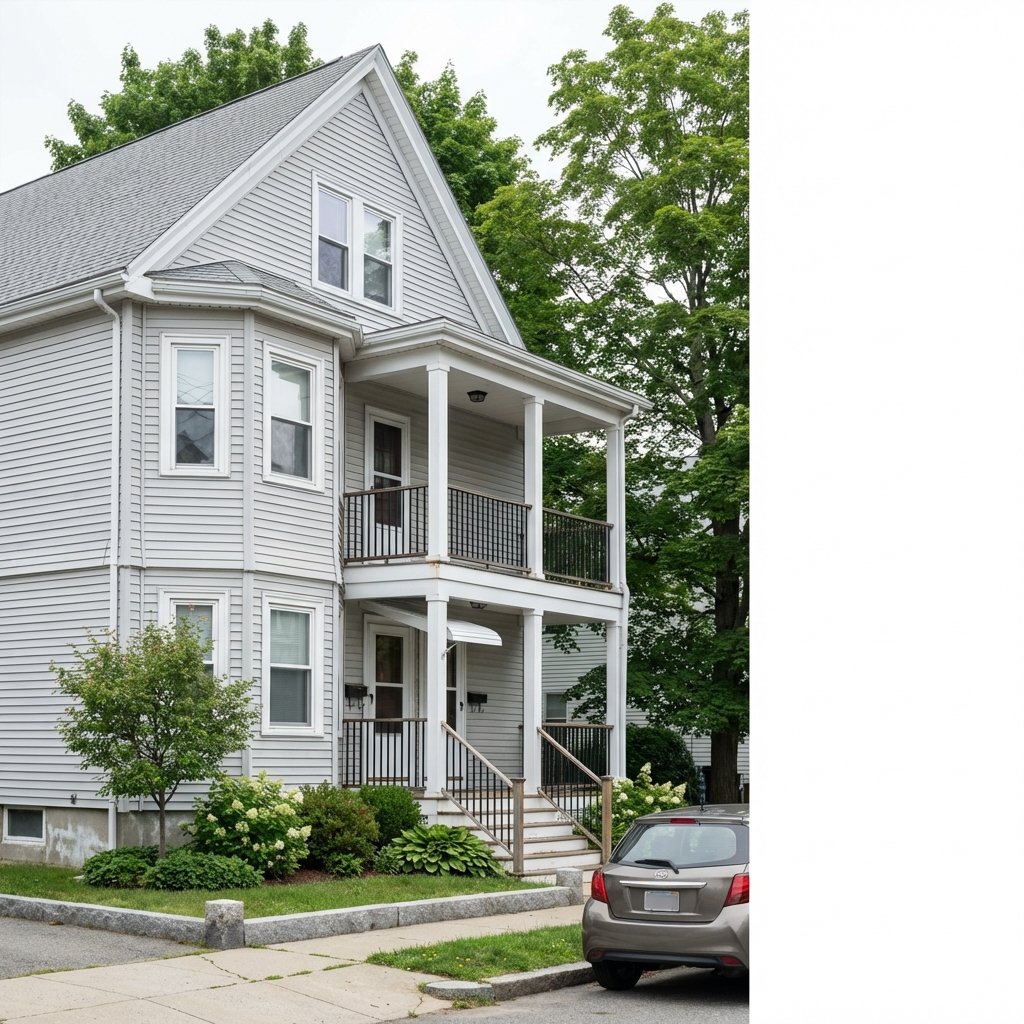
In Newton, many two- and three-family homes have been converted into condos or are governed by small associations. These boards are often all-volunteer owner-occupants with limited time and experience. Processes may be informal, written minutes minimal, and reserve funds small, which increases reliance on special assessments for major work.
Buyer takeaways
Look for signs of competence and transparency. Ask for meeting minutes, budgets, and whether the association uses professional management. If a complex repair is on the horizon, small boards may struggle to scope, bid, and oversee the project, which can invite delays or overruns.
Money matters: budget, reserves, assessments, insurance
Operating budgets and assessments
Associations adopt an annual operating budget for routine items such as common utilities, landscaping, snow removal, management fees, and insurance premiums. Your share is billed monthly or quarterly based on the allocation in the governing documents. In small Newton associations, expenses are sometimes split equally, but always confirm the formula in writing.
Reserves and reserve studies
Reserves fund big-ticket repairs like roofs, siding, paving, and shared boilers. Many small associations have minimal or no reserves, which raises the odds of special assessments. Best practice is a reserve study that projects useful life and funding needs, even if the association builds reserves gradually.
Special assessments
When routine dues and reserves are not enough to cover a capital project or unexpected shortfall, the board may levy a special assessment. Two- and three-unit conversions in Newton frequently use special assessments for building-wide needs. Review the history and frequency to gauge what your wallet may face.
Insurance basics
Condo associations typically carry a master policy that covers common elements and sometimes certain building components, while unit owners carry an HO-6 policy for interior finishes, personal property, and liability. HOAs carry association coverage for common areas, and owners insure their structures as required by the CC&Rs. Confirm policy type, deductible, replacement cost terms, and who pays the deductible when a loss affects multiple units. Ask about exclusions such as sewer backups or underground pipes that may need separate endorsements.
Newton-specific considerations
Older housing stock
Newton and neighboring communities have many late 19th- and early 20th-century homes that were later converted. Original wiring, heating, plumbing, and roofs may be at or near end of life. In underfunded associations, expect deferred maintenance and plan for near-term capital work.
Historic district checks
Some Newton neighborhoods have local historic-district review or design guidelines that affect exterior changes. Before you assume you can replace windows or re-side, verify whether the property sits within a historic district and what approvals are required.
Parking and zoning
Older conversions often have limited on-site parking. Review the recorded documents for assigned spaces or rules and confirm any municipal parking or street permit requirements. Do not assume that informal arrangements or handshake deals will hold.
Rentals and underwriting
Investor-owned units and rental rules can affect community dynamics and lender underwriting. Some lenders consider owner-occupancy and reserve levels when approving financing, especially in small associations. Ask early whether the association meets your lender’s requirements.
Document review checklist for Newton buyers
Request these items during your offer or due diligence window and review them carefully:
- Recorded master deed or declaration and all amendments, or CC&Rs for HOAs. Confirm unit boundaries, maintenance split, voting rights, and the assessment formula.
- Bylaws and any trust or corporate documents. Check board composition, quorum and voting thresholds, notice rules, and authority to levy assessments or hire managers.
- Current operating budget and most recent fiscal year budget. Compare line items and large changes.
- Reserve study, if any, and current reserve balance. If none, ask how major projects will be funded.
- Year-to-date financials and bank reconciliations. Look at operating cash, receivables, and liabilities.
- Board meeting minutes for the past 12 to 24 months. Identify deferred maintenance, upcoming projects, special assessments, disputes, and vendor performance.
- Insurance declarations and certificate of insurance. Confirm coverage type, deductible, limits, and who pays the deductible.
- Resale or estoppel certificate. Verify current assessments, delinquencies, pending litigation, and rules in effect.
- Special assessment history for the past 3 to 5 years. Note frequency, amounts, and collection status.
- Litigation disclosures and pending claims, including contractor disputes or mechanic’s liens.
- Management agreement, if applicable, with duties, term, termination, and fees.
- Vendor contracts for major services. Watch for auto-renewals and unilateral price changes.
- Rules and regulations plus rental policies. Review pets, short-term rental limits, parking, and noise rules.
- Utility allocation and metering details. Confirm what the association pays versus what is individually metered.
- Certificates of occupancy, municipal permits, and inspection reports. Check for open permits and violations.
- Recent capital improvement contracts and warranties. Note remaining warranty coverage for major systems.
Red flags to watch
- Little or no reserves paired with known major repairs.
- Multiple recent or emergency special assessments.
- Significant or unresolved litigation involving the association.
- High delinquency rates, missing minutes, or frequent board turnover.
- Insurance gaps or very high master-policy deductibles.
- Ambiguous maintenance responsibilities in the governing documents.
- Unrecorded or disputed parking or access rights.
Professional steps to protect your purchase
Legal and title review
Engage a Massachusetts real estate attorney to review recorded documents and confirm that seller representations align with what is recorded. Ask for a title search that includes possible liens against the association or units.
Inspections and technical due diligence
Hire a licensed home inspector with multi-unit experience. Pay close attention to shared systems such as roofing, chimneys, boilers, and common drains, and consider a specialist for older mechanicals or steam heating systems. For pre-1978 buildings, address lead paint and other hazardous materials.
Insurance and financing
Confirm that the association’s financials and insurance meet your lender’s requirements. Some lenders set minimum reserve levels or owner-occupancy thresholds, especially for small associations.
Municipal and zoning checks
Verify building permits, certificates of occupancy, and any open violations with Newton’s inspectional services. If the property may be in a historic district, clarify the review process and timelines for exterior work.
Practical negotiation items
Use your findings to negotiate concessions, escrows, or repairs. Ask for updated minutes and financials if what you received is older than 30 to 60 days, and request an estoppel certificate to lock in assessment and delinquency details.
Simple comparison: condo association vs. HOA
| Topic | Condo Association | Homeowners’ Association |
|---|---|---|
| Ownership | Unit interior plus shared interest in common elements | Individual home and lot, with shared common areas |
| Primary documents | Master deed or declaration, bylaws, trust agreement, rules | CC&Rs or declaration, bylaws, corporate documents, rules |
| Maintenance scope | Association typically maintains common elements; unit owner maintains interior per documents | Owners often maintain their structures; association maintains shared amenities per CC&Rs |
| Assessments | Based on allocation in governing docs, often by percentage or unit factor | Based on CC&Rs and budget; sometimes equal or by lot size |
| Reserves | Best practice to fund for major components; small Newton condos often underfunded | Also recommended; small HOAs may be informal with limited reserves |
| Insurance | Master policy for common elements; owners carry HO-6 | Association covers common areas; owners insure structures and interiors as required |
| Newton norm | Many 2–3 unit conversions with volunteer trustees | Less common in-city, but present in planned communities and subdivisions |
Final thoughts and next steps
Choosing between a condo association and an HOA in Newton comes down to the governing documents, the board’s competence, and the strength of the budget and reserves. Small, volunteer-run associations can work very well when organized, but the lack of reserves and informal processes often shift costs to special assessments. If you line up the right documents, ask pointed questions, and bring in the right professionals, you can buy with confidence.
If you want a clear plan for document review, inspections, and negotiation in a Newton purchase, we are here to help. Connect with the team at M|E Collective to talk through your goals and the specifics of any association you are considering.
FAQs
What is the key difference between a condo association and an HOA in Newton?
- A condo association governs shared ownership of common elements in a multi-unit property, while an HOA governs individually owned homes and lots that follow recorded community rules and assessments.
How do reserves affect my costs in small Newton associations?
- Limited or no reserves raise the likelihood of special assessments for big repairs, so you should review reserve balances, any reserve study, and the history of assessments before you buy.
Who pays the insurance deductible when there is a building-wide claim?
- Check the master policy declarations and governing documents, since responsibility for the deductible can fall on the association or be allocated to affected unit owners.
Are two- and three-unit condo conversions riskier than larger buildings?
- They can carry more risk of special assessments and informal governance due to volunteer boards and small budgets, which makes document and financial review especially important.
How can I verify historic district restrictions in Newton before exterior work?
- Ask whether the property is in a local historic district and request guidance on required approvals, then confirm with municipal records and the association’s rules.
What association factors can affect my mortgage approval?
- Lenders may review owner-occupancy rates, reserve funding, litigation, insurance coverage, and delinquency levels, so obtain an estoppel or resale certificate and share it with your lender early.