Wondering what daily life in Jamaica Plain really feels like? Maybe you want walkable streets, easy transit, and room to breathe in the city. If you’re exploring JP, you’ll find a distinctive mix of parks, local shops, and classic Boston housing. This guide walks you through the vibe, housing types, commute options, and what to know before you buy or rent. Let’s dive in.
Jamaica Plain at a glance
Jamaica Plain sits southwest of downtown Boston and is commonly associated with ZIP code 02130. You get a true urban-residential mix: active commercial corridors and quiet, tree-lined side streets. JP is part of the “Emerald Necklace,” so park access is a major draw for many residents.
The community includes long-term residents, young professionals, creatives, and households that value transit and green space. Local organizations play a visible role in planning, small-business support, and stewardship of public spaces.
Where JP sits in Boston
JP is roughly bounded by the Southwest Corridor and Forest Hills to the south, Roxbury and Back of the Hill to the east, and Brookline and Jamaica Pond to the west and north. You’re close to central Boston while enjoying residential scale and large parks.
Several commercial nodes anchor daily life, including Centre Street, South Street, Egleston Square, and Jackson Square. These corridors offer groceries, cafes, restaurants, and community services within a short walk for many residents.
Housing and architecture
JP’s streets feature classic Boston building types with distinct character. Expect a wide range of older homes with both preserved details and modern updates.
Common home types:
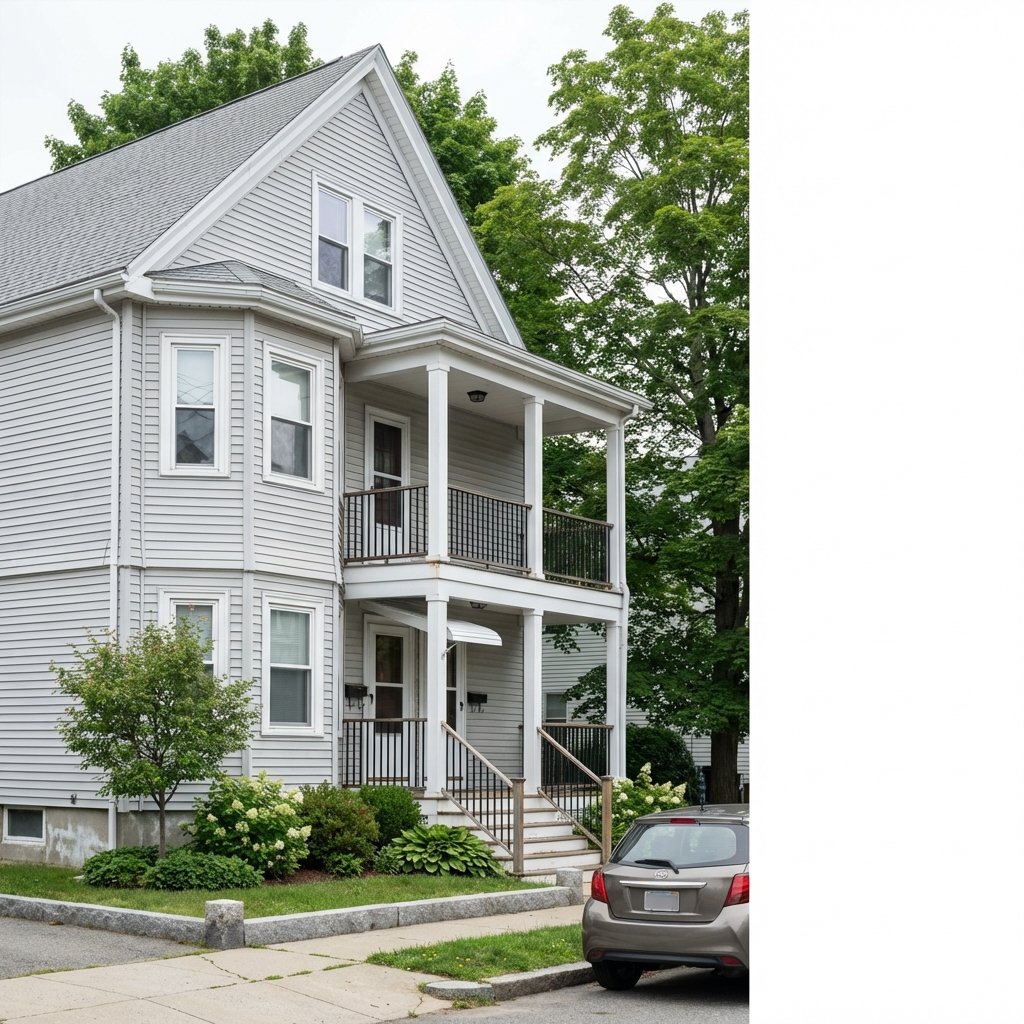
- Multi-family triple-deckers and two- to three-family wood-frame homes
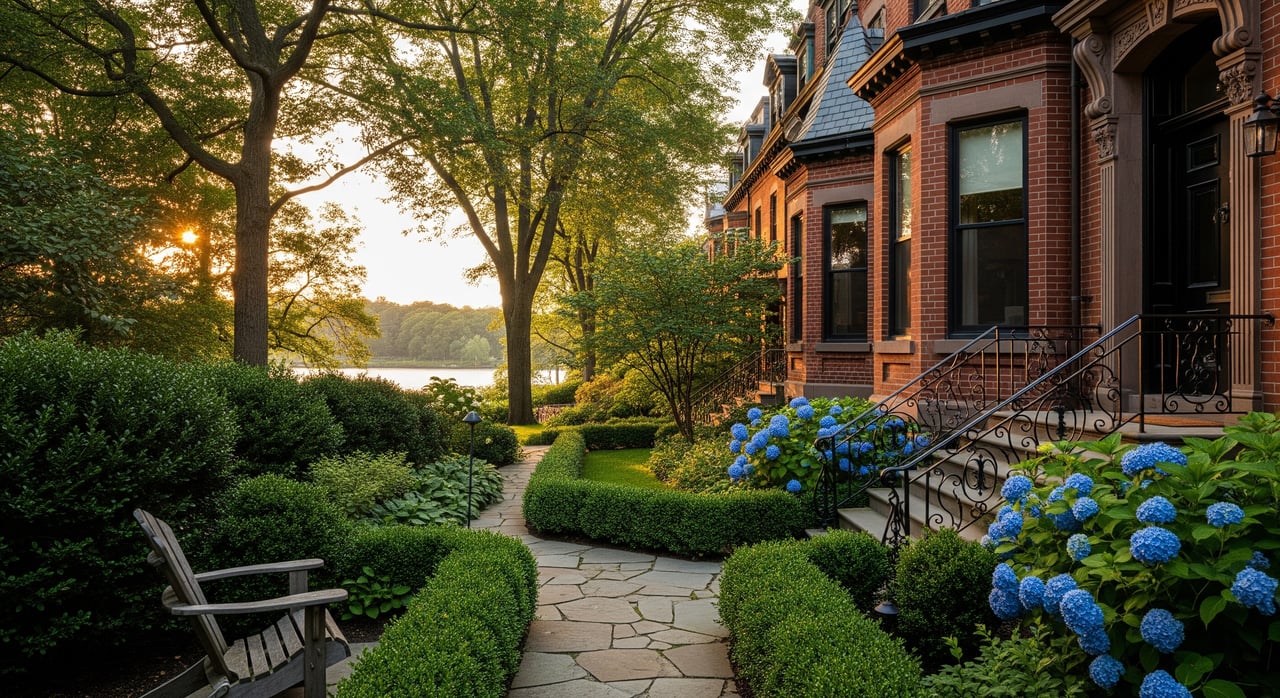
- Brick rowhouses and brownstones in select pockets
- Limited single-family homes, especially near Jamaica Pond and on quieter side streets
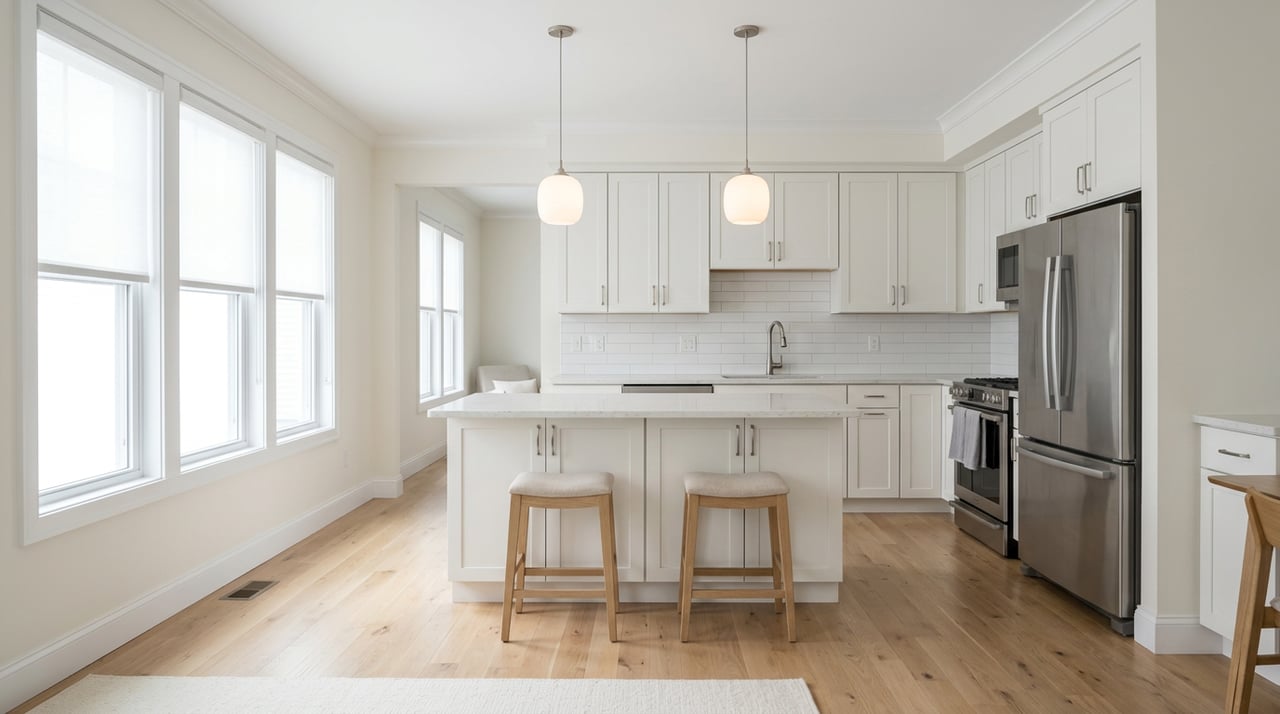
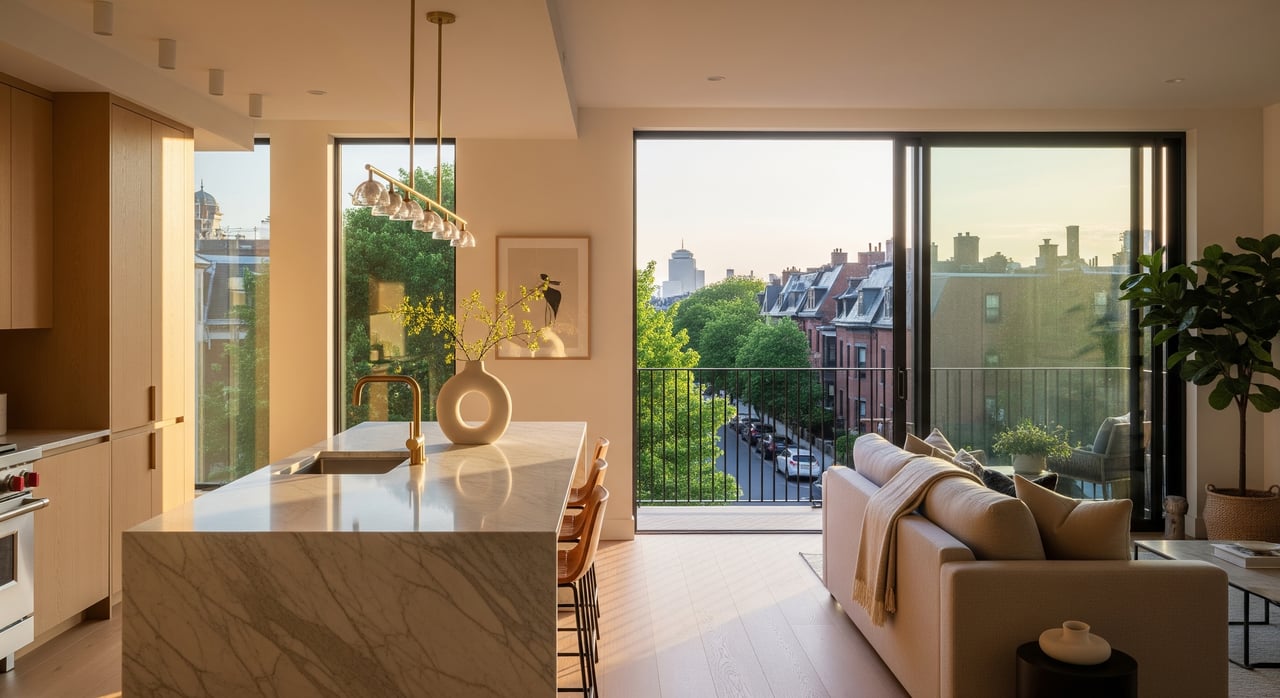
- Condominiums created from older buildings and small new-build condo developments
Many properties blend historic charm with staged, incremental renovations. Older systems are common, so plan for careful due diligence during inspections.
Buying or renting in JP
JP is often more competitively priced than central Boston neighborhoods like Back Bay, yet it can be pricier than some outer areas. Prices vary by block, building condition, and proximity to parks and transit.
- Condos are a common entry point for first-time buyers. Review association fees, reserves, and any rental or short-term rental rules.
- Single-family homes exist but are less common and tend to command premium pricing near ponds and parks.
- In a low-inventory market, well-priced, move-in-ready listings may attract multiple offers. Preparation and clear strategy matter.
Parks and green space
Access to parks is a signature benefit of JP. You can choose a different landscape most days of the week.
- Arnold Arboretum: About 281 acres of curated trees, trails, and year-round programs
- Jamaica Pond: Roughly 52 acres of water with a nearly 1.5-mile loop path for walking and running
- Franklin Park: Approximately 485 acres of fields, trails, and open space that span multiple neighborhoods
- Southwest Corridor Park: A linear park and multi-use path that connects JP with downtown for biking and jogging
Daily life and amenities
Centre Street is the neighborhood’s main spine, with restaurants, bakeries, cafes, bookshops, and specialty grocers. Egleston Square, Jackson Square, and South Street add more local dining and everyday services.
You’ll find farmers markets and seasonal food events, plus a community-focused arts scene with theaters and independent galleries. The Jamaica Plain branch of the Boston Public Library offers programming and resources, and local health care practices are nearby or a short trip away.
Transit and commuting
The MBTA Orange Line serves JP with stations including Green Street, Stony Brook, Jackson Square, and Forest Hills. Typical Orange Line travel time to downtown can range from about 20 to 35 minutes, depending on your origin and time of day.
Multiple bus routes provide north–south and east–west connections. The Southwest Corridor Path supports bike commutes, and many residents combine walking, biking, and transit for flexibility.
Parking and driving
On-street parking is limited on many residential blocks and regulated near commercial areas. Resident permit programs are common, and off-street parking can add notable value to a home.
Driving access to downtown is direct via major arterials, but peak-hour congestion is typical of inner Boston neighborhoods. If a car is essential, weigh parking options early in your search.
Schools and family resources
Jamaica Plain is served by Boston Public Schools. School assignments follow BPS policies, which can change, so review current enrollment information and school profiles directly with BPS.
Families often value proximity to parks, community programs, and after-school options offered by local organizations and city resources. Private and charter schools exist in and near the neighborhood.
What to know before you buy
Many JP homes predate 1978 and may include older systems and materials. A thorough inspection and clear upgrade plan help you avoid surprises.
Key items to review:
- Lead paint disclosure and any remediation history
- Heating systems, including oil-to-gas conversions and boiler age
- Electrical, plumbing, and insulation that affect comfort and operating costs
- Basement moisture and foundation conditions common in older buildings
- Condo association reserves, fee structures, and rental or short-term rental rules
- Permit history for past renovations or conversions
Is JP right for you?
Choose JP if you want city convenience with everyday access to parks and local businesses. You’ll appreciate the mix of housing types and the ability to live car-light while keeping options open.
If you plan to buy, be ready for a competitive market in move-in-ready segments. A clear budget, fast timelines, and a data-driven strategy will help you act with confidence.
Ready to explore homes or compare blocks near the Arboretum, Pond, or Orange Line? Let’s map options to your budget and timeline, then prioritize the properties that fit your goals. For personalized buyer or seller guidance, rental or landlord services, or relocation support, connect with the team at M|E Collective.
FAQs
How long is the Orange Line commute from Jamaica Plain?
- Typical travel time to downtown is about 20 to 35 minutes from central JP stations, depending on the stop and time of day.
What types of homes are common in Jamaica Plain?
- You’ll see triple-deckers, two- to three-family wood-frame homes, some brick rowhouses, limited single-family homes, and many condominium conversions.
Is parking difficult in Jamaica Plain residential areas?
- On-street parking can be limited and often requires a resident permit, while off-street spaces are valuable and can influence a home’s price.
Are condos a good entry point for first-time buyers in JP?
- Yes, condos are more common and typically more attainable than single-family homes, especially near parks and transit, but review association health and rules.
What inspection issues are common in older Jamaica Plain homes?
- Common items include lead paint in pre-1978 housing, older heating systems, electrical and plumbing updates, insulation needs, and basement moisture or foundation concerns.